
TOS News
FROM THE TOS PRESIDENT
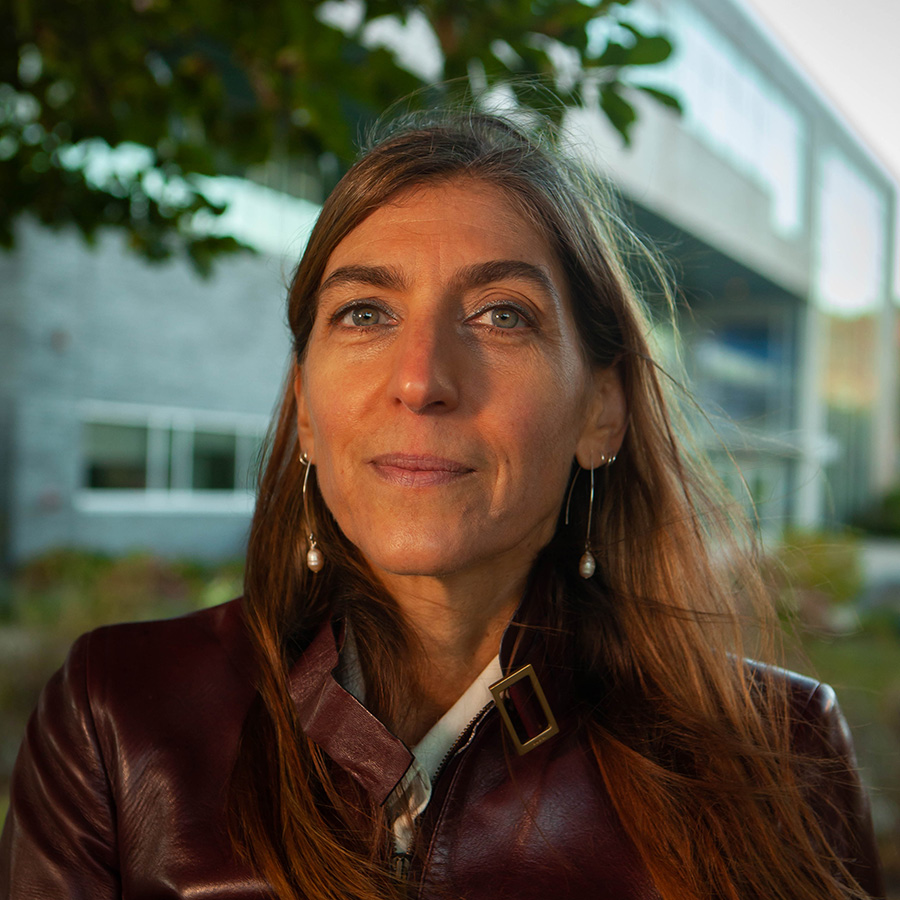
Paula Bontempi
Why Science Matters
It’s time, folks, to speak plainly and tell our story about the benefits that public investment in science and technology has brought to the world. This is beyond Tang and Velcro (as handy as it is).
Science is about inquisitiveness, yes, but also about security, discoveries that catalyze new fields and frontiers, and economic prosperity. We benefit from investments in research and development on our living and restless planet (and beyond).
When we cease funding science, we put human health and safety at risk. Research allows us to understand, predict, and prepare—think of the current 10-day weather app forecast on a smartphone, up from 3 days 10 years ago. Are there unknowns? Yes, and worthy of study. NOAA identified 403 natural disasters between 1980 and 2024 that cost the United States alone almost three trillion dollars, with nearly 17,000 deaths. What would these numbers have been without investment in science? How might we reduce the cost to the taxpayers and loss of life if we continue to invest in science? I’ll bet the insurance industry (and I) would like to know.
Ocean science, data, and technology are central to security. Research institutions are essential engines of innovation for defense, with outcomes that support the public’s economic prosperity At-sea research drives advances in autonomy, artificial intelligence, and data assimilation that support marine operations and workforce development in a range of environments. These capabilities are increasingly critical in polar regions, where rapid change and expanding ice-free access demand improved forecasting, navigation, and awareness.
The ocean economy is estimated at ~US$24 trillion—the seventh largest economy globally (UN/WWF/World Bank); blue sectors generate ~US$2.5 trillion in revenue annually (e.g., fisheries, tourism, shipping), with marine/coastal resources and associated industries valued at 3–5% global GDP (Patil et al. 2016). The global seafood market (2024) was valued at US$368.98 billion and is projected to grow to US$651.39 billion by 2032 (Fortune Business Insights); I’m relieved, as 42% of the world’s population obtains at least one protein source from the ocean (3.44 billion people, UN). Science, if funded, will ensure that this source of food is secure, safe, and sustainably managed.
Science harnesses the power to inquire and ask questions, and with a culture of honesty, integrity, reproducibility, and transparency. We must continue to educate humans about what and how to ask questions. These durable skills and values are applicable to any career, and will build a diverse workforce that allows an institution, a company, a nation, the world, to flourish.
Science creates opportunity. Thoughts?
Paula
OCEANOGRAPHY NEWS
CALL FOR CONTRIBUTIONS
Oceanography associate editors Emmanuel Boss, Philip Bresnahan, and Camille Pagniello are seeking manuscript submissions to DIY Oceanography. In this Oceanography section, contributing authors share all of the relevant information on a homemade sensor, instrument, or software tool so that others can build, or build upon, it. These short articles also showcase how this technology was used successfully in the field. Contact one of the associate editors to see if your idea fits in with this article category or go directly to Oceanography’s Author Guidelines page for more information and submission requirements.
EARLY ONLINE RELEASES
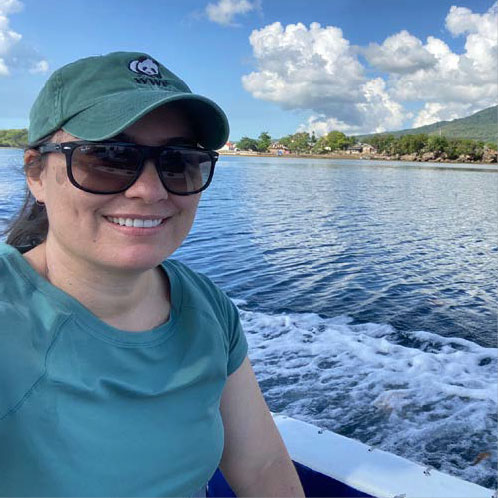
CAREER PROFILE • Gabby Ahmadia
Vice President, Seascapes and Science, World Wildlife Fund Oceans
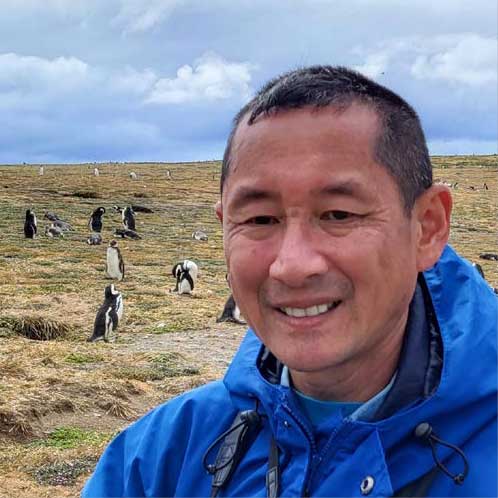
CAREER PROFILE • Shane Guan
Oceanographer, Bureau of Ocean Energy Management, and Adjunct Assistant Professor, Department of Mechanical Engineering, The Catholic University of America
MEETINGS & CONFERENCES NEWS
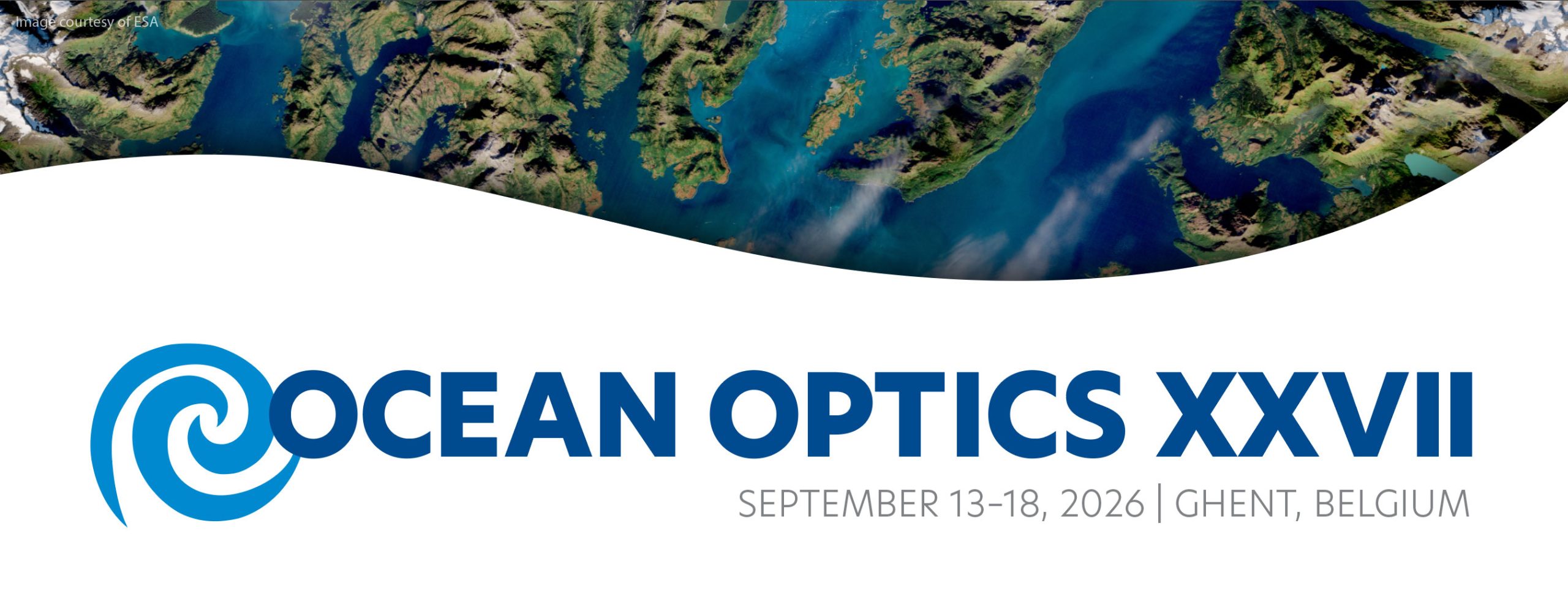

LAST CALL FOR POSTER ABSTRACTS!
SUBMIT YOUR ABSTRACT BY JUNE 5, 2026
Over 340 people have registered so far! Join them at Ocean Optics XXVII for a week of insight, collaboration, and connection. This event brings together a diverse ocean optics community, including oceanographers, limnologists, optical engineers, Earth observation scientists, resource managers, and policy professionals from across the globe, all united by a shared passion for optics in aquatic environments.
KEY DATES
EARLY REGISTRATION: Extended to June 5, 2026
POSTER ABSTRACT SUBMISSION: Extended to June 5, 2026
HOUSING: Book soon as rooms may sell out quickly
SHORT COURSES/WORKSHOPS: Registration opens June 8, 2026
COMMUNITY NEWS
CALL FOR EXPERTS
National Academies Decadal Survey for Earth Science and Applications from Space 2028–2037
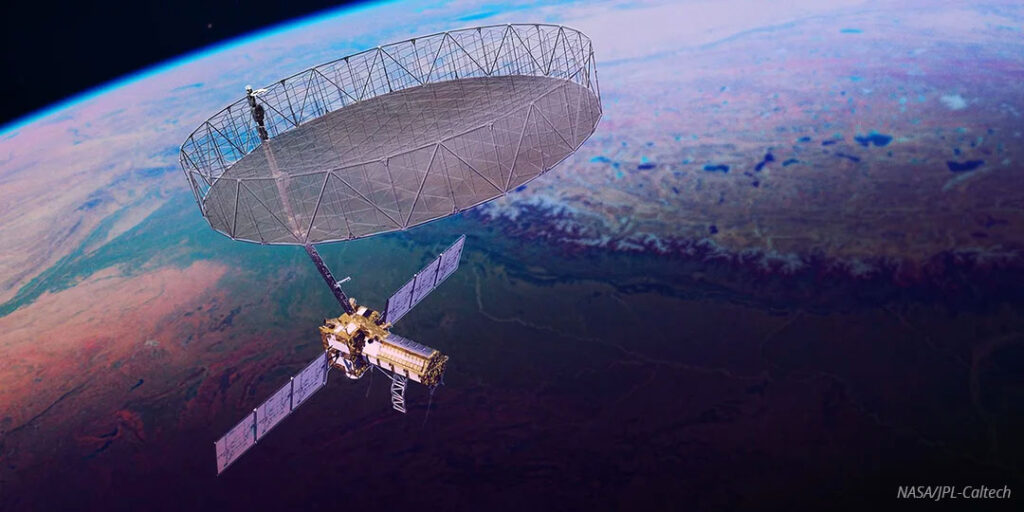
The National Academies of Sciences, Engineering, and Medicine is seeking suggestions for experts to participate in an anticipated Decadal Survey for Earth Science and Applications from Space 2028-2037 (ESAS 2028). National Academies staff will use these suggestions to identify approximately 90 volunteer experts who might serve either on the anticipated survey’s steering committee or on one of its supporting study panels. In addition, the suggestions will help staff identify potential speakers and peer reviewers for the eventual publication.
DEADLINE: May 25, 2026
CALL FOR NOMINATIONS AND SELF-NOMINATIONS
ARCTIC ICEBREAKER COORDINATING COMMITTEE
EARLY CAREER SCIENTIST
UNOLS seeks nominations and self-nominations to fill the newly created Early Career Scientist position on its Arctic Icebreaker Coordinating Committee (AICC) for a two-year term starting in the fall of 2026. This Early Career Scientist member of the AICC will serve in a non-voting role. Nominees should be early career polar scientists at U.S. institutions with an expertise in chemical, physical, biological or geological oceanography, in meteorology, or in ocean cryosphere science; with polar field experience and particularly icebreaker experience; and a record of Arctic research.
Application packages should include a current CV and a statement of interest to serve on the AICC that includes a summary of polar research field experience, polar research publication record, and expression of interest in the AICC’s activities. Interested applicants are invited to submit their applications to the UNOLS Office by e-mail by June 15, 2026.
US NATIONAL SCIENCE FOUNDATION
VACANCIES FOR EARLY CAREER SCIENTISTS AND ENGINEERS
On Monday, May 11, 2026, the U.S. National Science Foundation (NSF) released vacancy announcements of particular interest to early career scientists and engineers. The staff in these positions will work with program directors to plan and analyze program portfolios, identify emerging research areas, and support/manage the merit review of proposals and use data analysis to understand the landscape of the principal investigator community and the impact of current NSF investments. The incumbents will work internally and externally to engage with the research community through outreach and other community activities. NSF also supports the professional development of entry level scientists and engineers through interdisciplinary activities, training, and opportunities to engage in independent research and collaboration.
Sign Up for TOS News






© 2026 The Oceanography Society
1 Research Court, Suite 450-117, Rockville, MD, 20850, USA | Phone: (1) 301-251-7708 | [email protected] | Privacy Policy