
TOS Council Election 2026
YOUR VOTE MATTERS. As the governing body of the Society, the elected Councilors are responsible for directing the affairs and determining the future of the Society. Voting in this election is an important function of membership.
In accordance with The Oceanography Society’s bylaws, on January 1, 2027, Heidi Dierssen, President-Elect, will step in as President, Paula Bontempi, President, will move to the position of Past-President, and Deborah Bronk, Past President, will rotate off the Council. In addition, Grace Saba, Biological Oceanography Councilor, Hilary Palevksy, Early Career Councilor, Leilani Arthurs, Education Councilor, Jeremy Werdell, Ocean Data Science Councilor, and Eric Wade, Ocean Social Science and Policy Councilor, will rotate off the Council.
The Oceanography Society thanks all of these representatives for their time, dedication, and valuable contributions to the organization. Candidates have been identified for all open positions and biographical sketches of each candidate appear below.
How to Vote
The TOS Council election is being conducted electronically. All TOS members were sent an email message from The Oceanography Society on October 28, 2026, containing a unique ballot link with a random, secret access key. If you are a TOS member and did not receive this message, please contact Jenny Ramarui, TOS Executive Director ([email protected] or 301-251-7708) to receive voting instructions.
All votes must be cast by 04:00 ET on November 27, 2026.
The Candidates
Each candidate has been advised of the responsibilities and duties of the position for which he/she is standing, and each is prepared to devote the necessary time and attention to conduct the Society’s business. Brief biographical sketches for each of the candidates appear below. Scroll down to view them all or click on a name to jump to a specific biographical sketch.
President-Elect
Education Councilor
Ocean Data Science Councilor
President-Elect
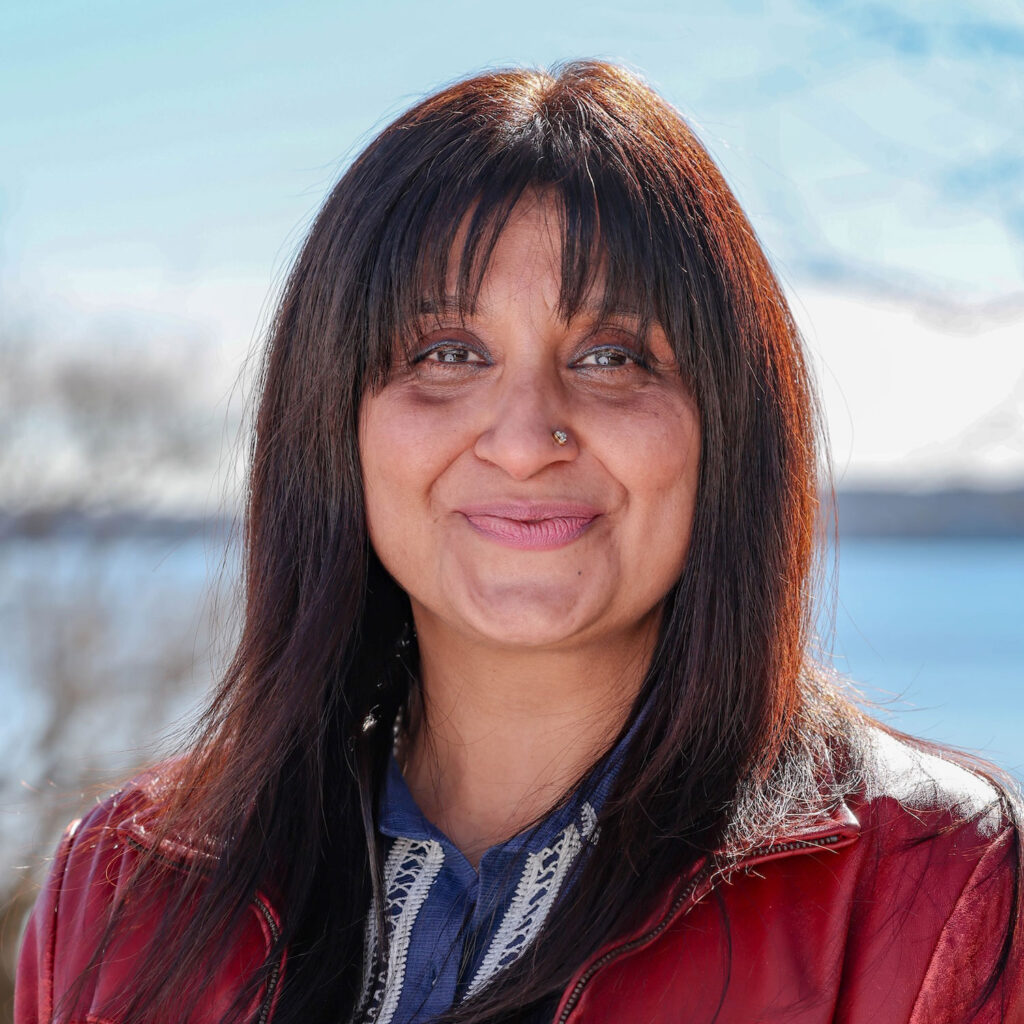
Mona Behl
The ocean serves as the beating heart of our planet’s life-support system, yet it faces unprecedented stress. In this era of rapid change, incremental discovery is no longer enough. Aligning with this urgency, the National Academies’ 2025–2035 Decadal Survey challenges the ocean science community to build a new paradigm for ocean forecasting that safeguards both marine ecosystems and human well-being. Meeting this moment requires a fundamental transformation in how ocean science is integrated, communicated, and applied; a shift The Oceanography Society (TOS) is uniquely positioned to drive.
TOS can seamlessly bridge traditional oceanography disciplines with social sciences, artificial intelligence, and engineering, while integrating Indigenous and local knowledge to support communities on the front lines of change. By leveraging our meetings, workshops, and publications, TOS can connect researchers directly with policymakers, private sector innovators, and blue economy leaders to co-develop actionable solutions. Crucially, by cultivating educational and professional development opportunities for students and early career professionals while providing travel grants and wrap-around services, TOS can ensure a vibrant, globally connected ocean science talent pool. With its current strategic plan already building momentum in these areas, TOS has a clear path to translate this ambitious framework into lasting impact.
Beginning as an educator in India and advancing as an oceanographer and Sea Grant professional in the United States, my career has been defined by a commitment to uniting people and resources for societal progress. Across research, administrative, and public service roles, my work centers on fostering cross-sector collaboration to build resilient communities, while expanding access and participation across geosciences. If elected President, I would be honored to bring my experience to serving TOS members and strengthening our collective impact as a global ocean science community.
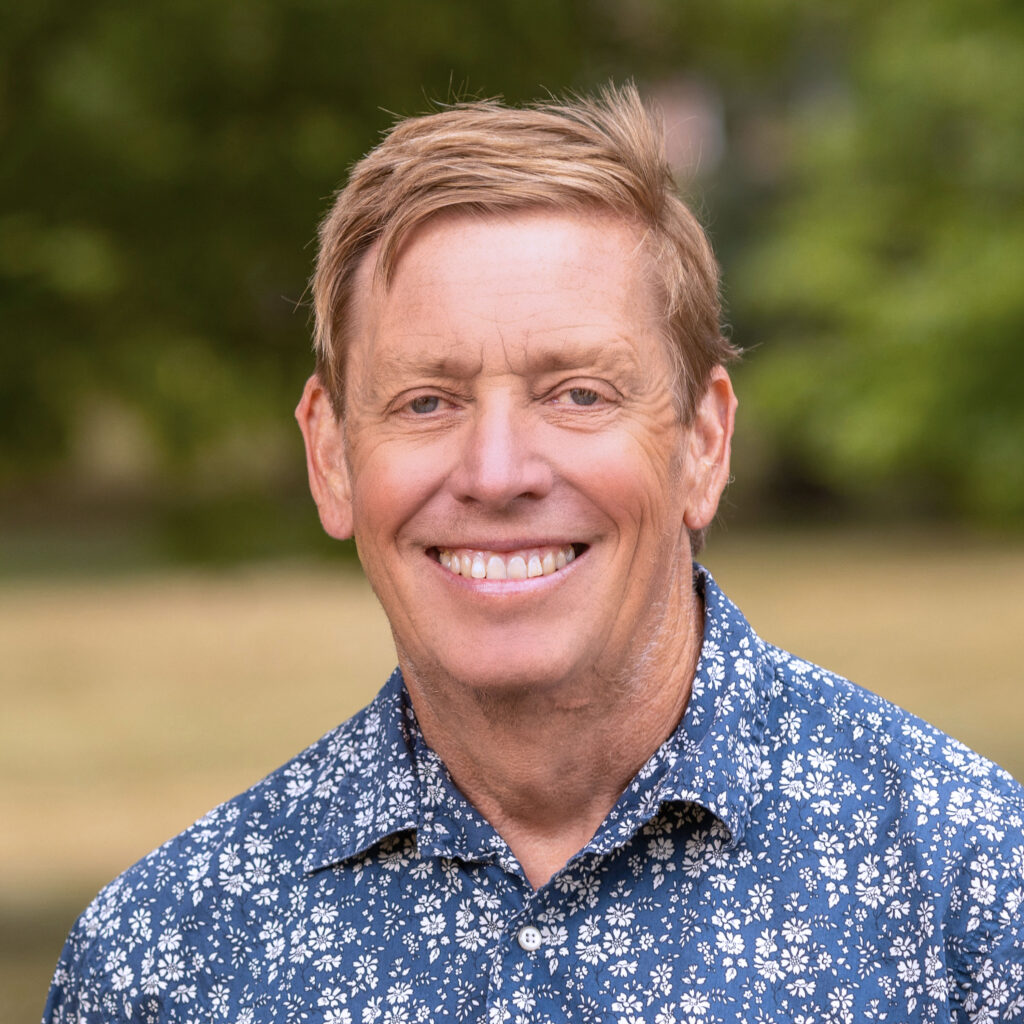
Oscar Schofield
Oscar Schofield has spent his career at sea and in the laboratory. He is a Distinguished Professor and co-Founder/Director of Rutgers University’s Center for Ocean Observing Leadership (RU COOL), he earned both his bachelor’s degree (1987) and Ph.D. (1993) at the University of California, Santa Barbara. As a postdoctoral researcher with the U.S. Agricultural Research Service, he studied harmful algal blooms and algal physiology in intensive aquaculture systems. Rutgers University brought him on in 1995 and he has remained ever since. At Rutgers he has never taken a sabbatical as he has had too much fun working his friends and collaborators. He loves to teach and is an active teacher/mentor, anchoring undergraduate/graduate courses and teaching every term at Rutgers. With friends he has developed extensive outreach programs that includes K-12 teacher training, invited science story telling on national media, and two award-winning full-length documentary movies developed with undergraduate students. He contributes significant community service being the Chair of Department of Marine and Coastal Sciences over a decade, chairing/serving on many National Academy studies and numerous external reviews of universities, national laboratories, and companies. For TOS he was the North American Chair for the Oceanography Society Meetings in Paris, France.
His research interests are broad spanning from algal physiology, marine optics, food web ecology, and developing novel ocean observing technologies. Oscar has run a wide range of programs spanning tropical, temperate and polar seas. He has always had a focus on open access data and development of data products that can also serve societal needs. These efforts were recognized by awards from Naval Research Laboratory, the Department of Homeland Security, and three separate resolutions by the state government recognizing unique contributions to people of New Jersey. He has over 275 peer-reviewed publications spanning ocean engineering, the evolution of phytoplankton, to climate change impacts on the polar ecosystems. Oscar was awarded the Hutchinson Award, the Center for Advancing Research Impact in Society (ARIS) Enduring Achievement Award, and the TOS TEAM award.
Oscar’s motivation to serve. TOS has been an incredible resource and community to me over my career ever since I was a graduate student in the stone ages… The journal provides an amazing resource to me as a teacher, the meetings provide an opportunity to connect past-present-future collaborators, and TOS provides a forum for us to develop ideas or navigate stormy seas. With the unique conditions we face today, TOS is more important than ever which is why I am motivated to serve. This is an overwhelming time with public trust in science in question, a warming ocean, an accelerating blue economy, automation of ocean observing networks, physical-biological-chemical sensors evolving, and a creative new generation of researchers which is inspirational. My hope is I can build on the great work being done with a focus on helping the next generation of oceanographers thrive with TOS.
Biological Oceanography Councilor
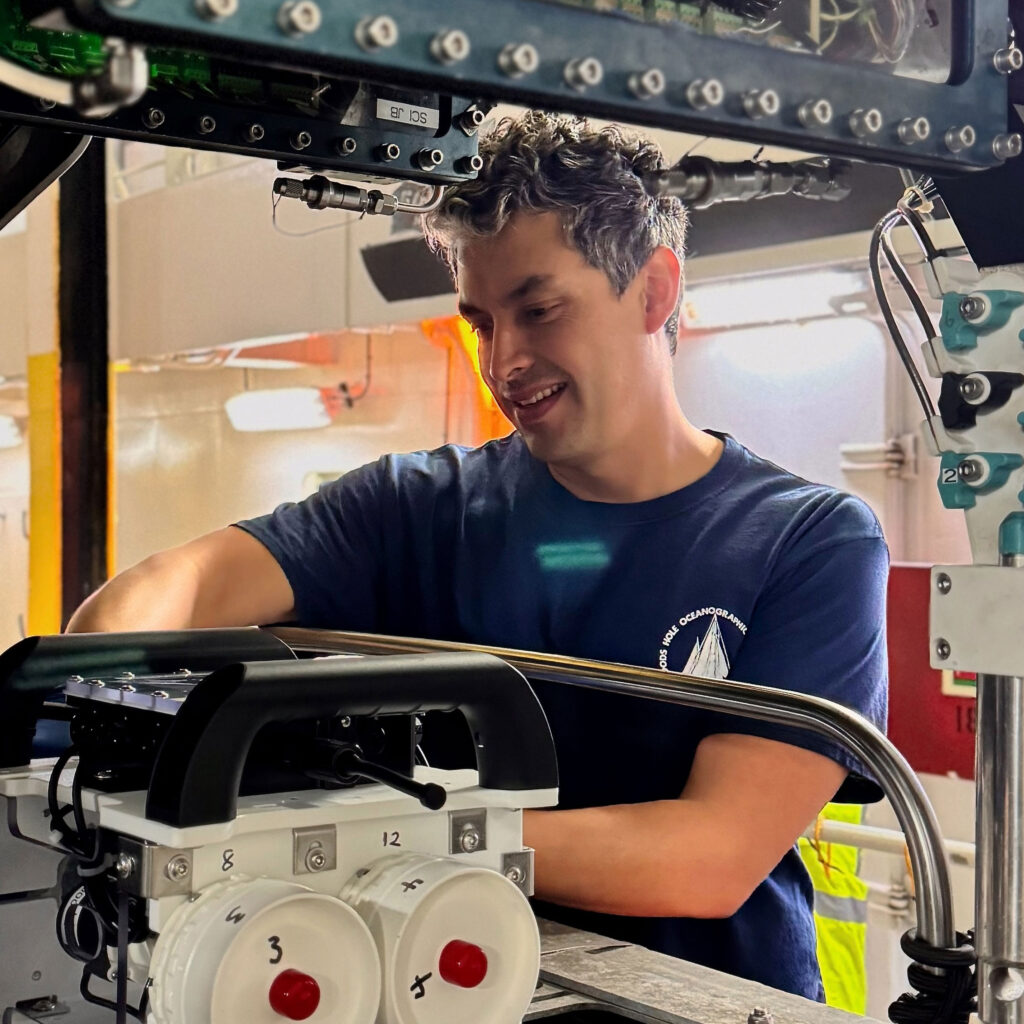
Santiago Herrera
Santiago Herrera is an Associate Professor of Biology at Lehigh University, a Research Associate at the Smithsonian National Museum of Natural History, and a Guest Investigator at the Woods Hole Oceanographic Institution. He is a biological oceanographer and molecular ecologist whose research focuses on understanding how environmental variability, dispersal, and evolutionary processes shape marine biodiversity, particularly in deep-sea and mesophotic ecosystems.
Santiago’s research integrates environmental DNA, population genomics, metabarcoding, and genome sequencing with observations and samples collected using ships, submersibles, remotely operated vehicles, and autonomous platforms. He has conducted research across the Gulf of Mexico, the Caribbean, the tropical Pacific, and the Argentine continental margin, working in environments that include deep coral ecosystems, submarine canyons, hydrothermal systems, and offshore banks. His work is inherently interdisciplinary and brings together biological oceanographers, engineers, geochemists, physical oceanographers, geologists, data scientists, museum researchers, and resource managers. Through these collaborations, he seeks to connect molecular observations with environmental measurements and oceanographic processes across spatial and temporal scales.
A central goal of Santiago’s research is to improve the capacity of biological oceanography to observe biodiversity in remote and rapidly changing environments. He is particularly interested in combining environmental genomics with autonomous sampling, ocean observing systems, and computational approaches. These tools can expand the spatial and temporal reach of biological observations while strengthening connections among organismal biology, ecosystem science, ocean technology, and data science. He is also committed to teaching and mentoring and has worked with undergraduate students, graduate students, postdoctoral researchers, and international collaborators from a range of disciplinary and cultural backgrounds.
As Biological Oceanography Councilor, Santiago would work to ensure that TOS represents the breadth of the biological ocean sciences, from plankton and fisheries to benthic ecology, biodiversity, marine genomics, and ecosystem responses to environmental change. He would promote greater integration of biological observations with physical, chemical, geological, technological, and computational oceanography. He would also support opportunities for students and early-career scientists, strengthen engagement with international and historically underrepresented ocean science communities, and encourage communication across academic, governmental, nonprofit, and private-sector organizations. Santiago would bring to the Council an interdisciplinary perspective, experience building collaborative research programs, and a strong commitment to making biological oceanography more technologically capable, inclusive, connected, and responsive to the scientific and societal challenges facing the ocean.
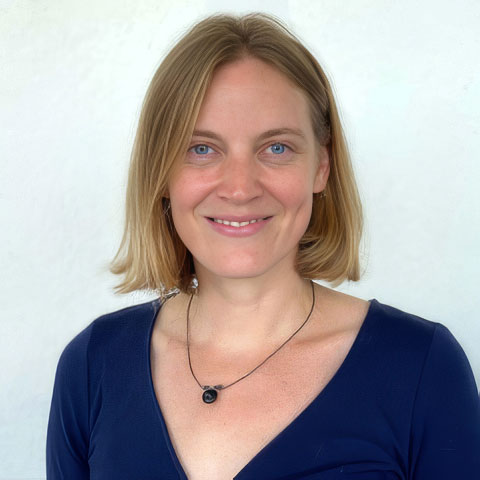
Amy Maas
Amy Maas is an Associate Professor in the School of Ocean Futures at Arizona State University and the Bermuda Institute of Ocean Sciences (BIOS). Her research lies at the intersection of physiology, ecology, oceanography, and biogeochemistry, where she studies how plankton and midwater ecosystems influence ocean carbon cycling and respond to environmental change. Since joining BIOS in 2015, she has built an interdisciplinary research program supported by NSF, NASA, NOAA, ARPA-E, and the Simons Foundation that integrates observational oceanography, laboratory experimentation, emerging imaging technologies, and ecological modeling. She has participated in numerous oceanographic expeditions, serves as an Associate Editor for Global Biogeochemical Cycles and on the Editorial Board of the Journal of Plankton Research, and has contributed to national scientific objectives through NOAA, NASA, NSF, and Ocean Carbon & Biogeochemistry (OCB) initiatives. Beyond research, she is passionate about mentoring students at all career stages, developing innovative educational programs, and connecting ocean science with broader audiences through museum exhibits, documentary films, educational games, and children’s literature.
Amy believes that TOS is uniquely positioned to strengthen connections across the increasingly interdisciplinary field of oceanography. Having worked in both an independent research institute and a large public university during a period of institutional transformation, she values collaboration, inclusive leadership, and creating opportunities for scientists to build lasting professional networks. As a committee member, she would work to strengthen TOS as a welcoming interdisciplinary community by supporting early-career scientists, expanding connections across the biological, chemical, physical, geological, engineering, and societal dimensions of oceanography, and fostering partnerships that enhance research, education, and public engagement. She views TOS as uniquely positioned to bring together the diverse expertise needed to address the scientific and societal challenges facing our changing ocean.
Early Career Councilor
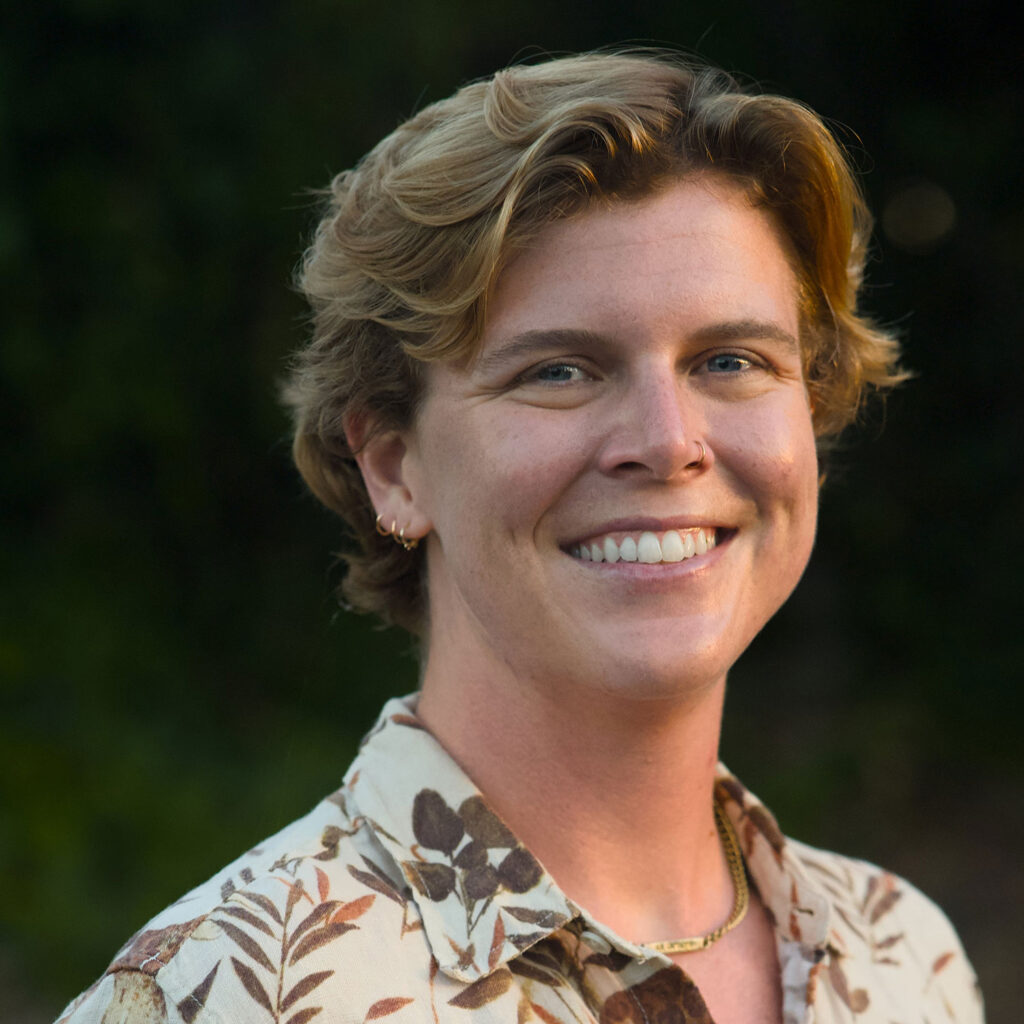
Julien Middleton
Julien Middleton (they/them) is a seagoing chemical oceanographer who specializes in non-traditional stable isotope geochemistry. They received a B.A. in Physical Chemistry and Mathematical Ecology from Colby College in 2015 and a Ph.D. in Chemical Oceanography from the MIT-WHOI Joint Program in Oceanography in 2022 before pursuing a postdoc at University of California – Santa Barbara from 2023 – 2026. They currently work as a postdoc at the Institute of Alpine and Arctic Research at the University of Colorado – Boulder.
Julien’s work incorporates multiple non-traditional isotope systems, currently barium, silicon, and lithium, to investigate the impact of mineral-fluid interactions on modern marine isotope signatures in the water column and sediments, as well as the role these processes play in altering isotope signatures used as paleoclimate proxies. As an early career isotope geochemist, they are eager to support peers in oceanography and earth sciences to navigate the changing landscape of scientific exploration. They are deeply motivated to work with colleagues to create a safe, welcoming, and equitable environment that fosters support for students and scientists in underrepresented groups and have worked as a member of the TOS JEDI Committee since 2024. Their recent stint as Chair of the 2025 Chemical Oceanography Gordon Research Seminar was an exciting opportunity to develop a conference program aimed at enriching the chemical oceanography community for participants of all career stages and backgrounds.
Julien is eager to support the mission of TOS and increase collaboration between large scientific societies as we collectively navigate the changing academic landscape.
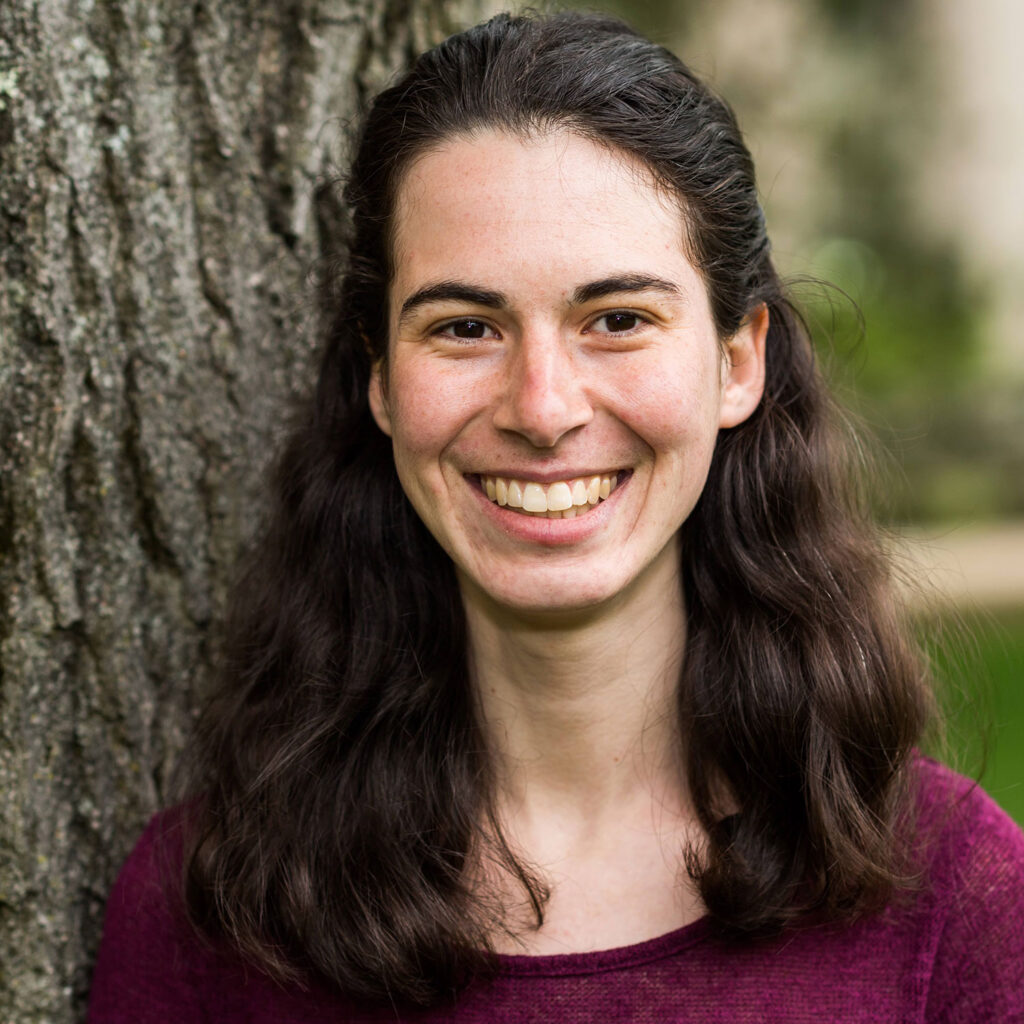
Mara Freilich
Mara Freilich is the Thomas J. and Alice M. Tish Assistant Professor of Applied Mathematics and Earth, Environmental, and Planetary Sciences. She uses mathematical modeling and observations to study the interactions between ocean and ecological dynamics with the aim of gaining a predictive understanding of the ways that components of the climate system interact across spatial and temporal scales. Her research focuses on fluid dynamics, biogeochemistry, and microbial ecology. She uses methods including theoretical analysis, numerical modeling, interdisciplinary observations, and community-engaged research. She is particularly interested in developing inclusive, interdisciplinary scientific communities, including across traditional disciplines, methodologies such as models and observations, and between academic organizations and communities. She is co-editor of Climate Changed: Models and the Built World. She earned an ScB in Applied Mathematics from Brown University (2015) and a PhD in Physical Oceanography from the MIT-Woods Hole Oceanographic Institution Joint Program (2021). She completed postdoctoral work as a Scripps Institutional Postdoctoral Fellow (2021-2023) and was a Fulbright Fellow at Pontificia Universidad Católica de Chile (2016). Recent awards include Henry Merrit Wriston Fellowship from Brown University, Editor’s Award from the Journal of Physical Oceanography, and a Rossby Award for Best Thesis (MIT Program in Atmosphere, Oceans, and Climate). Her recent service activities include associate editor of the Journal of Physical Oceanography, organization of national and international workshops and organization of sessions at Ocean Sciences Meeting, and membership on the Salton Sea Science Committee. These are critical times for the future of ocean sciences. She hopes to work with the TOS Council to support early career scientists; increase engagement between academics and community organizations; and facilitate interdisciplinary engagement within our community.
Education Councilor
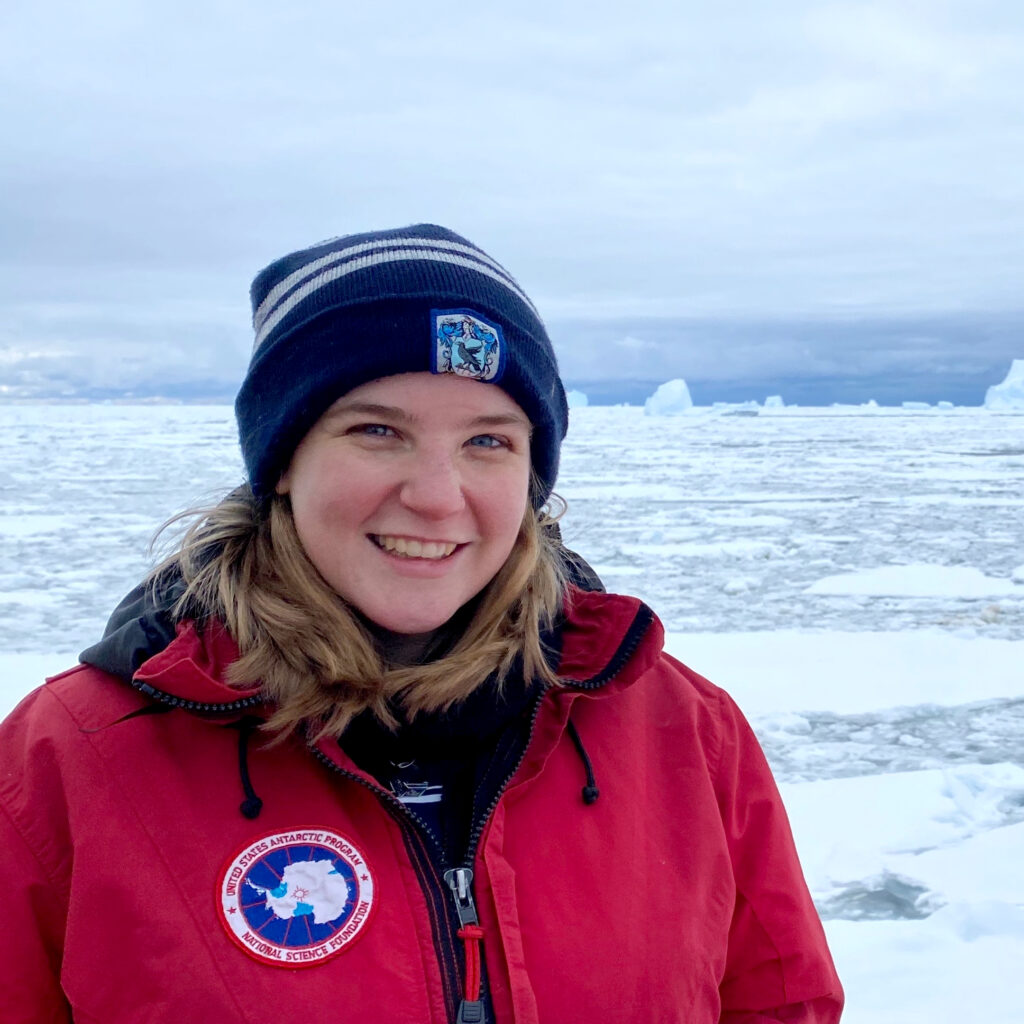
Lily Dove
Lilian (Lily) Dove is an Assistant Professor of Earth & Atmospheric Sciences at the Georgia Institute of Technology (Georgia Tech). She is an oceanographer whose research focuses on physical-biological interactions in the polar oceans using in situ observations, remote sensing products, and numerical models. Alongside her oceanographic research, she has contributed to scholarship focused on advancing equity, inclusion, and participation in the geosciences. Lily earned her S.B. in Earth, Atmospheric, & Planetary Science from MIT (2018) and a Ph.D. in Environmental Science & Engineering from Caltech (2023). She received a NOAA Climate & Global Change postdoctoral fellowship to work at Brown University. Her recent service activities include membership on the Mentoring Physical Oceanography Women to Increase Retention (MPOWIR) steering committee (2024-2027) and the U.S. CLIVAR Phenomena, Observations, and Synthesis expert panel (2025-2029). Lily looks forward to working with TOS leadership to bridge ocean science and education by championing approaches that bring contemporary ocean research into classrooms and communities, broaden ocean literacy, and engage the next generation of ocean scientists.
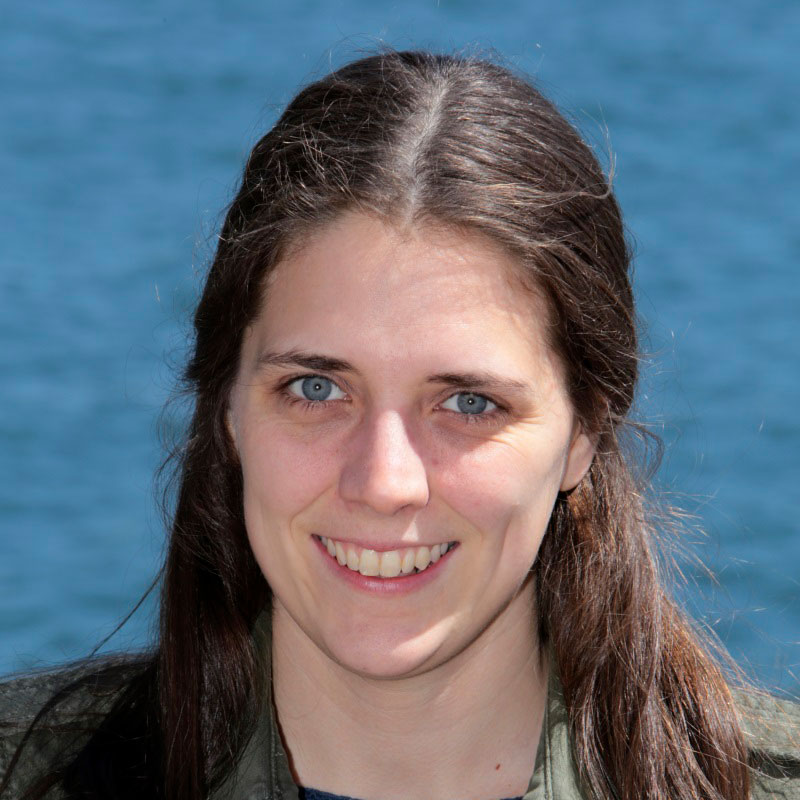
Catherine Mitchell
Catherine (Cath) Mitchell is a Senior Research Scientist at Bigelow Laboratory for Ocean Sciences (Maine, USA). Her research focuses on developing methods to study ocean biology and biogeochemistry using satellite ocean colour remote sensing. She is a member of NASA’s PACE Post-launch Validation Science Team, and leads NASA’s particulate inorganic carbon (PIC) algorithm, which is implemented across NASA’s suite of ocean colour satellites. She has a First Class MSci in Physics and Mathematics from the University of Glasgow, and a PhD from the University of Strathclyde on remote sensing of suspended sediment and phytoplankton within the Irish Sea. Throughout her career, she has demonstrated her commitment to train the next generation of students with the goal of broadening participation in science; she has focused her efforts outside of traditional academic pathways via research-based mentoring, instructing at an immersive, experiential undergraduate program, and teaching computational skills. Since 2020, Mitchell has served on the Organising Committee for OceanHackWeek, a workshop at the intersection of ocean and data sciences. OceanHackWeek focuses on teaching the computational skills that are increasingly essential for any aspect of Earth System science, as well as building community among the participants with the goal of creating a welcome and inclusive space. Participants are encouraged and empowered to continue the collaborations beyond the end of the workshop, as well as bring the skills gained and the sense of community back to their own labs and institutions. She has hosted OceanHackWeek as in-person, hybrid and fully virtual events, learning how to engage a diverse, global community through each format. Mitchell is also a founding member of the OceanHackWeek Steering Committee, which guides the longer-term vision and strategy for OceanHackWeek. If elected as Education Councilor, Mitchell will bring these experiences to the TOS Council, working with them to expand training opportunities for oceanographers worldwide and advance TOS’s goals to build capacity within, and ensure equitable access across, the global oceanography community.
Physical Oceanography Councilor
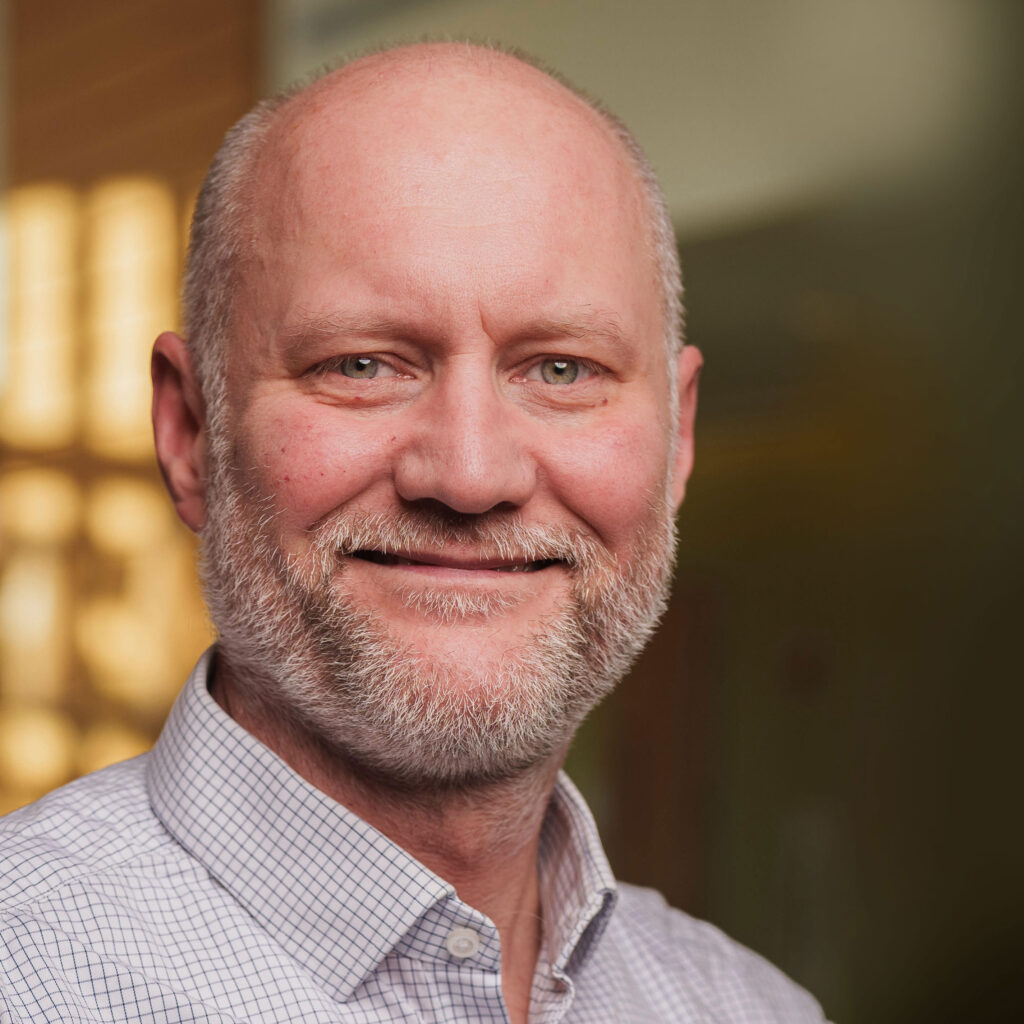
Bror Jönsson
Bror Jönsson is a Research Associate Professor at the Ocean Processes Analysis Laboratory, Institute for the Study of Earth, Oceans, and Space, at the University of New Hampshire. He studied biology at Uppsala University and received a Ph.D. in Physical Oceanography from the Department of Meteorology at Stockholm University in 2005. His doctoral work used circulation models and Lagrangian methods to study coastal dynamics, ocean turnover times, and tropical estuaries. He then held postdoctoral positions at Boston University with Amala Mahadevan and at Princeton University with Michael Bender, continued as an Associate Research Scholar at Princeton University, and was a Senior Scientist at Plymouth Marine Laboratory in the UK from 2018 to 2023, where he remains an Honorary Fellow. In 2024 he returned to UNH, where he had first been appointed in 2016. Outside of work, he enjoys cycling, climbing, kayaking, and cooking.
His research focuses on how ocean physics shapes biological and biogeochemical processes, and on how to merge large and disparate data sources, such as satellite observations, numerical models, and in-situ measurements, to answer scientific questions. A central thread is Lagrangian particle tracking: he co-developed the TRACMASS trajectory model and uses the approach for different Lagrangian process and connectivity studies including directly assessing fluxes from satellite-derived products. With network theory, he has quantified how quickly surface currents connect distant regions of the global ocean, and what that connectivity means for plankton communities under warming. He has also developed new statistical approaches to assess variability in sparse satellite fields and to evaluate ocean models with satellite products. He is a member of the NASA GLIMR science team, a Simons Foundation CBIOMES Scholar, and a Co-I on the Schmidt Sciences OBVI Ocean Margins Initiative, which studies upwelling in the Gulf of Guinea. He has authored more than 35 peer-reviewed publications.
His service includes membership on the OCB steering committee, the IOCCG Working Group on Optical Water Types, and the advisory board of BCO-DMO, where he helps guide open data management for NSF-funded oceanographic research. He was also a contributing author to the IPCC Sixth Assessment Report. Building research capacity in tropical regions is a central part of his work. He has taught at the COESSING coastal ocean summer school in Nigeria and at the Trevor Platt Foundation summer school in Hyderabad and Kochi, India. Through the Ocean Margins Initiative, he works to build equitable research partnerships between West African and US scientists. Earlier, he taught college courses in New Jersey state prisons through the Princeton Prison Teaching Initiative from 2010 to 2016. As Physical Oceanography Councilor, Bror looks forward to bringing his experience of bridging models, satellite data, and in-situ observations to TOS. He hopes to strengthen the links between physical oceanography and other marine research communities, support early career scientists, and broaden participation in ocean research from tropical and Global South countries.
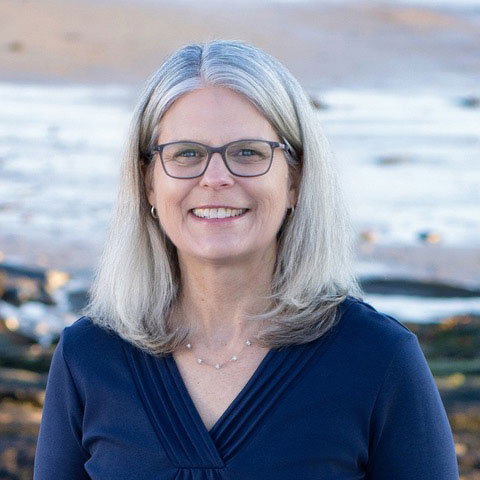
Kara Lavendar Law
Kara Lavender Law is Research Professor of Oceanography at Sea Education Association (SEA; Falmouth, MA). Trained in physical oceanography (PhD, Scripps Institution of Oceanography; BS, Mathematics, Duke University), her early work investigated deep-water formation and ocean circulation associated with the thermohaline circulation of the North Atlantic Ocean. Following a postdoctoral appointment at Woods Hole Oceanographic Institution, she joined the faculty at SEA teaching undergraduates from colleges and universities across the U.S. on shore at SEA’s Cape Cod campus, and guiding their research at sea aboard SEA’s two sailing oceanographic research vessels, SSV Corwith Cramer and SSV Robert C. Seamans. In the early 2000s, Kara’s professional focus shifted to research on plastic pollution in the marine environment, initially through analysis of a decades-long data set of floating microplastics collected by SEA students in the Atlantic and Pacific Oceans. She studies the distribution, accumulation, and physical and chemical characteristics of ocean microplastics to understand the processes that transport these particles and transform them through weathering, photodegradation, and fragmentation. Her work expanded to quantify sources of plastic waste to the ocean – especially plastic waste generated on land – aiming to prevent plastic leakage to the environment, including through system-level changes in the design, use, and end-of-life management of plastics. Kara has led and participated in multi-disciplinary working groups that synthesize knowledge from disparate fields to advance understanding of plastic pollution, and serves on numerous technical advisory boards for programs focused on plastic pollution as well as the redesign of circular plastics and upcycling of plastic waste. Other professional activities include providing testimony to U.S. Senate and California State Assembly Committees, and serving as a delegate to the INC-4 session to develop a treaty on plastic pollution. Kara serves on the editorial boards of Environmental Research Letters and Microplastics and Nanoplastics, is a Fellow of the Plastics Center at Northeastern University, and was elected to the National Academy of Engineering in 2026. If elected to the TOS Council, Kara looks forward to sharing her interdisciplinary perspective within education, research, and policy spheres to help advance the goals of TOS in engaging student members, enhancing multidisciplinary research, and building a policy program to support both Policy for Science, and Science for Policy.
Ocean Data Science Councilor
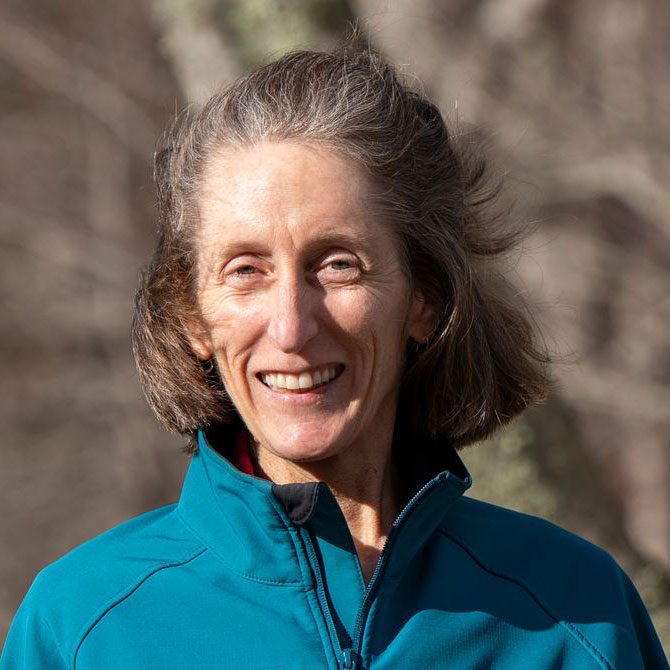
Stace Beaulieu
Stace Beaulieu is a Senior Research Specialist and technology educator at Woods Hole Oceanographic Institution (WHOI). For the past two decades she has been empowering oceanographers to find, access, and use data to advance their research. Beaulieu has degrees in Biology (Stanford University, B.S. and M.S., 1992) and Biological Oceanography (Scripps Institution of Oceanography, UC San Diego, Ph.D., 1998) and started at WHOI in 1998 as a postdoctoral scholar in Applied Ocean Physics and Engineering. Building on her interdisciplinary research interests, she grew into a role as coordinator of WHOI’s Ocean Informatics Working Group, in which she helps bridge gaps between people, data, and technology. Her experience includes serving as coordinator for the international InterRidge program (2007 – 2009) and the U.S. Ridge 2000 program (2010 – 2012), as WHOI’s representative to the Earth Science Information Partners (ESIP; 2013 – present), and as data and information manager for Northeast U.S. Shelf Long-Term Ecological Research (NES-LTER; 2017 – 2023) and the U.S. National Science Foundation (NSF) Ocean Observatories Initiative (OOI; 2022 – present).
At WHOI Beaulieu was awarded a Doherty Chair in Education to develop a curriculum for “Navigating an Ocean of Data” that she expanded from a short course into a semester-long course for graduate students. She leads a monthly Data Science Office Hour for WHOI staff and students to ask questions about data or coding. You may have met her at a Data Help Desk at the American Geophysical Union (AGU) Meeting or Ocean Sciences Meeting. Since 2022 Beaulieu has been leading FAIR data training for the Deep Ocean Observing Strategy (DOOS). In 2026 she received an NSF CyberTraining Award to develop a virtual short course with online materials to train early-career researchers with skills to use data from major facilities and data repositories in the ocean sciences.
As an example of what Beaulieu would like to do as Ocean Data Science Councilor to advance TOS’s mission, she will promote access to educational materials and upskilling opportunities related to using data from distributed infrastructure. In an article for the TOS Oceanography Special Issue “Vision for Capacity Sharing in the Ocean Sciences” Beaulieu and co-authors wrote “We have many great challenges to tackle—finding and using data should not be chief among them.” By helping to connect a broader ocean science community – at all career levels including undergraduate and graduate students—to learning opportunities relevant to ocean data, Beaulieu hopes to not only forward the goal areas of the 2025-2030 TOS Strategic Plan but also to catalyze interdisciplinary ocean research.
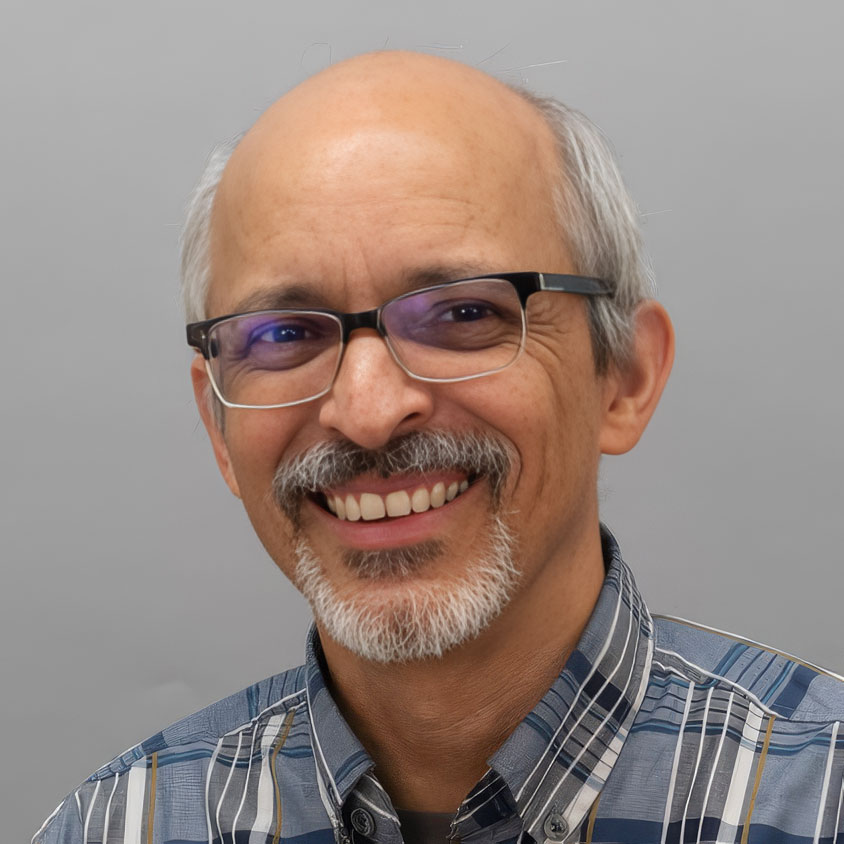
Emilio Mayorga
Emilio Mayorga is a Research Oceanographer at the University of Washington (UW) Applied Physics Laboratory since 2009. He earned a BS in Environmental Engineering Science at MIT (1992), and MS and PhD (2004) degrees in Chemical Oceanography at the UW. From an initial focus on carbon cycling and nutrient modeling in global rivers, his work shifted to environmental data engineering, spanning a wide range of applications, data types, marine (and terrestrial) environments and geographical scales.
Emilio has extensive experience with processing, managing, integrating and disseminating data from diverse ocean observation platforms and collection efforts, including moorings, ships, gliders, profiling drifters, echosounders, biological repeat surveys, satellite remote sensing and ocean circulations models. He is a former (2010-2019) data management and integration lead for the NW Association of Networked Ocean Observing Systems. There, he coordinated with diverse regional data providers and users and with the US Integrated Ocean Observing System (IOOS) to make local and Pacific NW monitoring data streams more widely findable and accessible, and to provide user- and machine-friendly, interoperable access to data for the region. He also collaborated with international partners to advance initial data integration and dissemination efforts for the Global Ocean Acidification Observing Network (GOA-ON) and related regional and national initiatives.
Emilio serves in a leadership role in the annual OceanHackWeek collaborative learning events since 2019. Cumulative, these events have convened over 600 participants, mentors and tutors from across the world, career tracks and career stages in an inclusive environment that fosters open learning at the intersection of ocean and data science. Since 2022 he co-leads a virtual spin-off that brings this experience to Spanish speakers. Emilio was a member of the Consortium of Universities for the Advancement of Hydrologic Science, Inc. (CUAHSI) Informatics Committee from 2018 to 2024. He also served on Ocean Networks Canada’s International Science Advisory Board from 2018 to 2024, and as its Chair in 2023 – 2024. He looks forward to working with the TOS community and leadership to foster closer engagement between ocean researchers and engineers, the earth data-science community, and users of ocean data.
Ocean Social Science and Policy Councilor
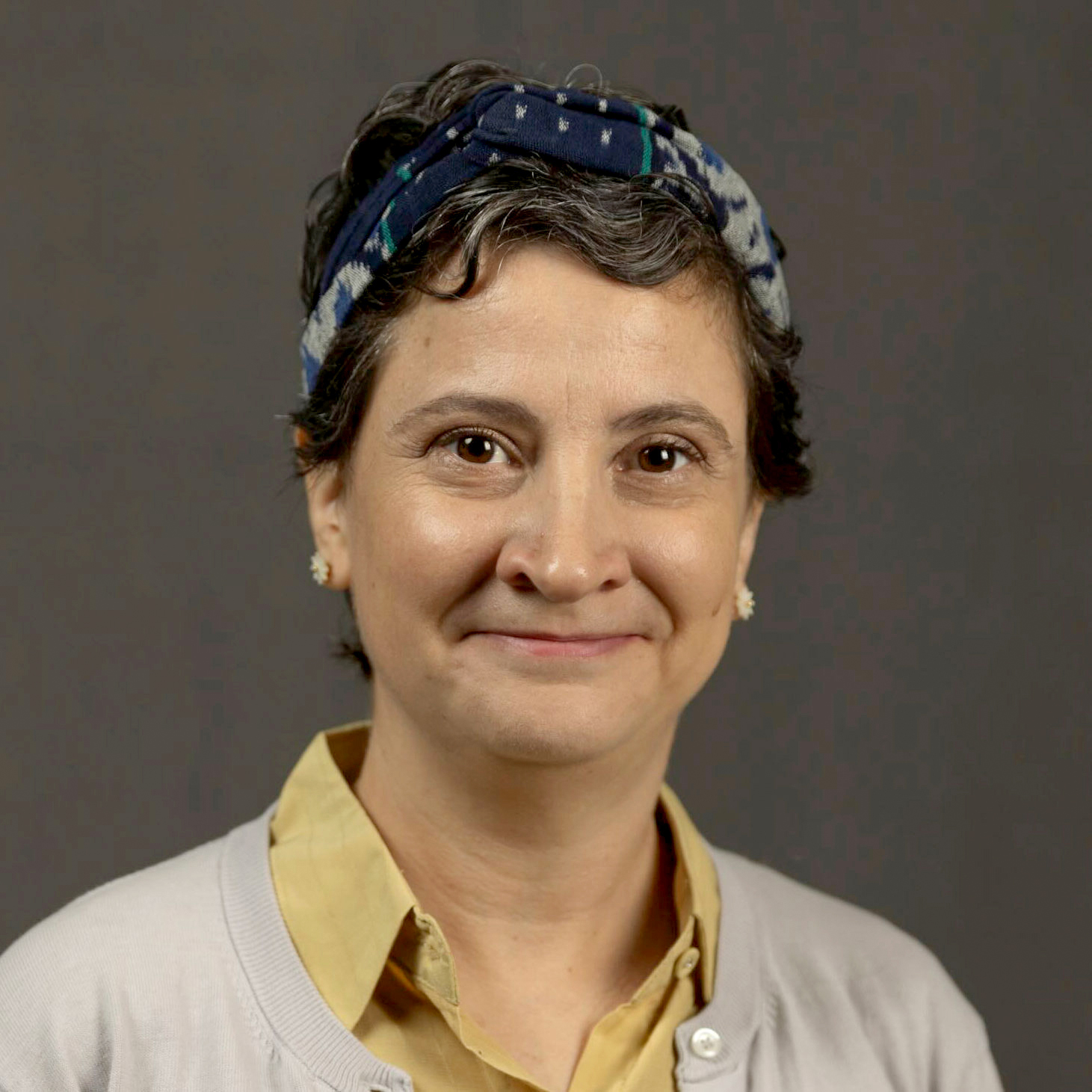
Victoria Ramenzoni
I am a marine anthropologist who studies coastal community adaptation. I was born in Argentina, where I did my B.A. in Sociocultural Anthropology at Universidad de Buenos Aires. I moved to the U.S. in 2007 to pursue my Ph.D. at the University of Georgia. As part of my doctoral research, I lived on Flores in Eastern Indonesia for about two years, exploring environmental uncertainty among artisanal tuna fishing communities.
After graduating, I spent about two years at NOAA as a fellow and then as a contractor under the chief economist in the social science team. My work focused on socioeconomic indicators and ecosystem services. In late 2015, I relocated to the Harte Research Institute for Gulf of Mexico Studies at Texas A&M University-Corpus Christi. This allowed me to visit Cuba and develop a long-term collaboration with colleagues for Universidad de La Habana that I still maintain. Our efforts concentrated on post-hurricane recovery, coastal adaptation, and recreational fisheries.
I moved to Rutgers in the fall of 2018 after I joined the Department of Human Ecology at the School of Environmental and Biological Sciences in New Brunswick. For the past few years, my scholarship and teaching have alternated with fieldwork in Indonesia, Cuba, South Korea, and the U.S. As an ecological anthropologist, I run the Coastal Communities Adaptation Lab at Rutgers University. My scholarship centers on understanding the nexus among behavioral adaptation, uncertainty, and socioecological change to inform policy solutions. More concretely, my work explores how perceived socioeconomic and environmental uncertainty shapes patterns of resource use among coastal communities and the structure of the institutions created to manage the use of those natural resources.
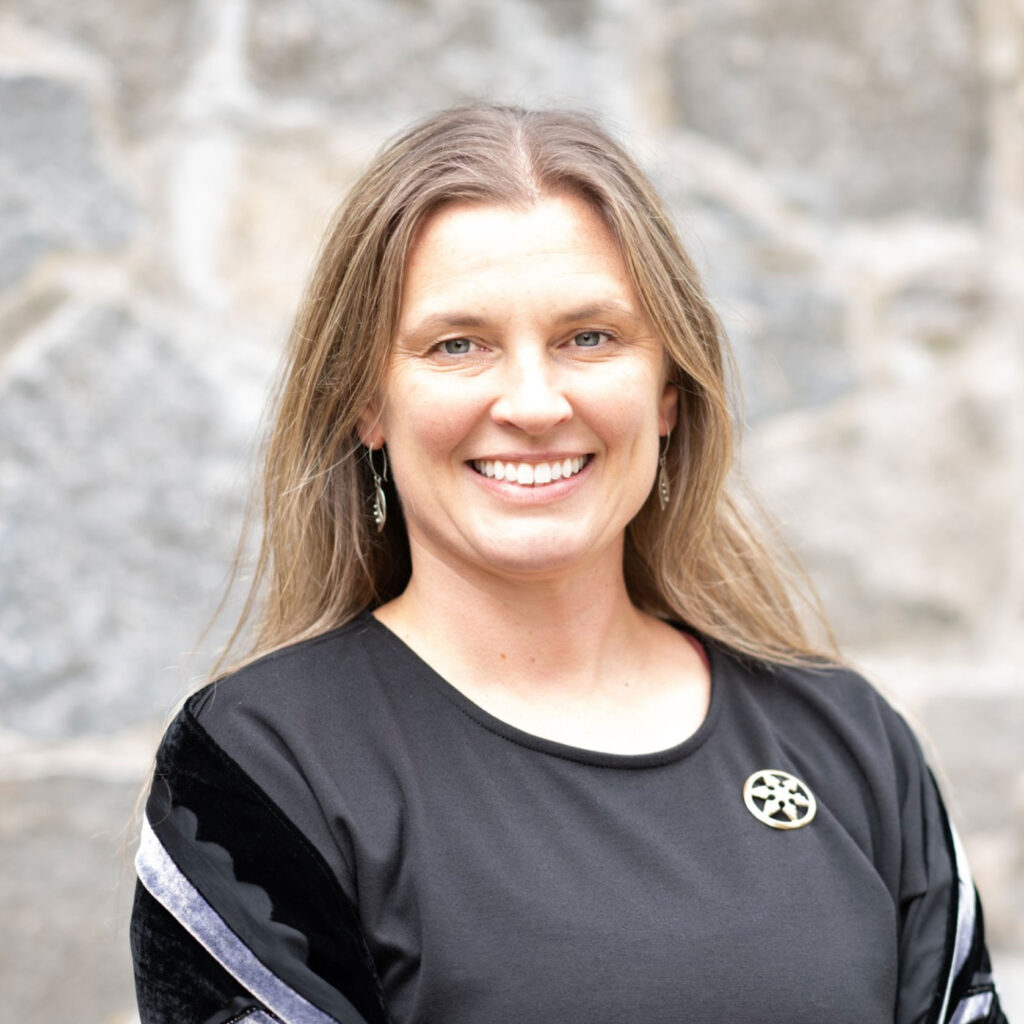
Abbie Tingstad
Abbie Tingstad will join the Arctic Initiative at Harvard Kennedy School’s Belfer Center for Science and International Affairs as its director in September 2026. Her primary areas of expertise are geography and public policy analysis. Tingstad is interested in a wide range of Arctic and Northern issues, including governance, security, societies and cultures, and the environment. Even though her expertise is regional, she looks for opportunities to highlight Arctic Ocean connectivity with climatic and environmental changes elsewhere in the world and often draws upon insights from research across the world’s oceans to inform Arctic marine policy work.
From 2023-2026, Tingstad was a visiting Professor of Arctic Research within the Center for Arctic Study and Policy (CASP) at the U.S. Coast Guard Academy. While there, she conducted research related to the heterogeneity of human engagement with Arctic places, regional maritime security and safety, and the Arctic blue economy. She also helped develop and teach a Polar Area Studies course, mentored cadets in research projects, and designed and hosted workshops and tabletop exercises.
Tingstad was also a researcher at the RAND Corporation from 2010-2026 where she led research on the Arctic, defense, homeland security, and environmental policy. She also spent some of her time at RAND as the co-Director of the Climate Resilience Center, an Associate Research Department Director, an Associate Research Program Director, and as a local leader in the Women in Defense organization.
Tingstad has a PhD in Geography from the University of California, Los Angeles, an MSc in Environmental Geomorphology from the University of Oxford, and a BS in Mathematics from the Massachusetts Institute of Technology.
Through TOS, she is excited to engage with community members on ocean governance issues including further identifying research priorities to support emerging “blue” economy policies and the design of fisheries management approaches in a changing climate. She is also interested in finding new ways to combine physical and social sciences to look at questions concerning human-natural systems in marine environments.






© 2026 The Oceanography Society
1 Research Court, Suite 450-117, Rockville, MD, 20850, USA | Phone: (1) 301-251-7708 | [email protected] | Privacy Policy