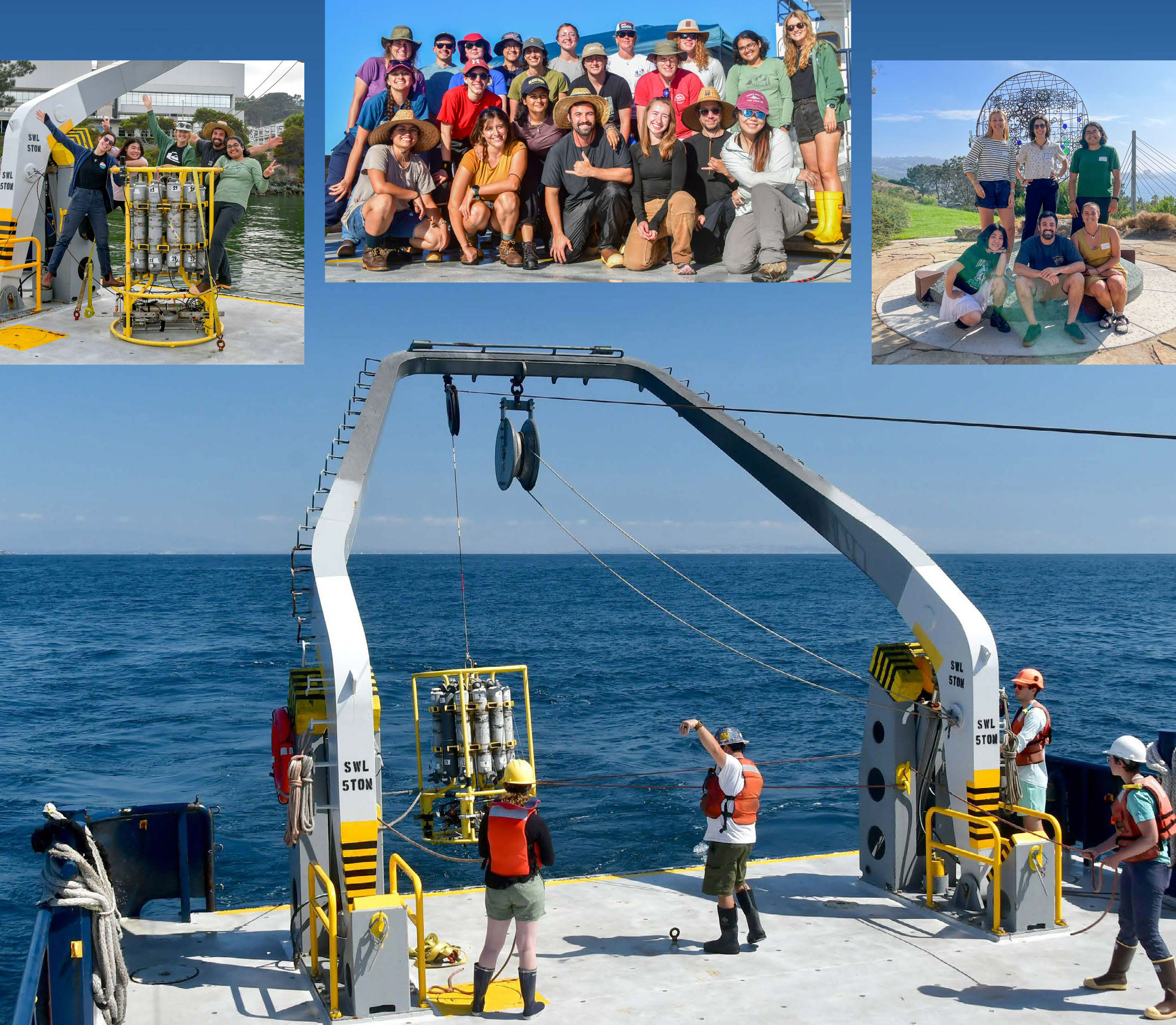
Motivation: The Turbulence Education Gap
The oceanographic community has increasingly recognized that turbulence and mixing are central to ocean physics. However, as graduate students applying these concepts in our own research, we experienced and identified a gap between the theoretical treatment of these processes in available coursework and the practical knowledge and skills needed to apply them to observational data. Turbulence is the chaotic random motion of a fluid that enhances mixing, that is, the irreversible homogenization of water properties. The small-scale physical processes involved have implications for global ocean circulation, global climate, and marine ecosystems (Meredith and Garabato, 2021; Melet et al., 2022). Modeling and observing turbulence has become increasingly important to disciplines across the oceanography community (Tsutsumi et al., 2020; Lévy et al., 2022; Naveira Garabato and Meredith, 2022; Kaneko et al., 2025; Zheng et al., 2026). As these tools and concepts become relevant to a wider range of oceanographic questions, students need a foundational education in turbulence and mixing even if their research does not focus on these processes directly. COMCEPTS (Combined Ocean Mixing Course, Experiments and Practices for Turbulence Science), held at Scripps Institution of Oceanography (SIO), University of California San Diego, in late summer 2025, was designed and executed by and for graduate students to meet this need.
The gap between turbulence theory and its geophysical applications can likely be traced back to how the field developed. Turbulence theory has its roots in mathematics and engineering departments, so most in-depth turbulence texts focus on concepts predominately related to engineering applications of fluid dynamics (Tennekes and Lumley, 1972; Pope, 2000), although Thorpe (2007) does address some ocean-specific cases. Because turbulence is inherently random and chaotic, a lot of mathematical assumptions that are made to describe it in a statistical sense are not physically useful. In addition, ocean turbulence occurs on very small scales (1 cm–10 m) and is intermittent, making it difficult to measure. Today’s specialized instrumentation requires additional assumptions about the physics and affects how well we can actually observe these processes. One of the goals of COMCEPTS was to help participants understand the origins of all these assumptions and how they impact the data we collect.
Another challenge for ocean turbulence education is the limited availability of student field experiences with the necessary specialized instrumentation. Ship time is scarce and expensive, and mixing-specific data collection is often limited to a few research groups that specialize in turbulence observations. Furthermore, the physically demanding and exclusionary culture of traditional fieldwork can create environments that are stressful, inaccessible, and not conducive to learning (Pico, 2023). Student outcomes can be improved through development of good support networks and a sense of belonging (Gardner, 2008; Barbera et al., 2020), both of which can be enhanced by peer-to-peer mentorship in the field that often occurs informally and is heavily dependent on the culture set by a research group or a ship’s crew (Núñez et al., 2020).
COMCEPTS was designed to address the educational gap between ocean-turbulence theory and in situ observations as well as the limited availability of fieldwork-based learning opportunities for study of ocean mixing (Figure 1). The course did so through experiential learning and practical exercises. Experiential learning is a process in which learners develop knowledge by engaging directly in an activity, reflecting on that experience, connecting it to underlying concepts, and applying the resulting understanding in subsequent practice (Kolb, 2015). Fieldwork provides a particularly valuable setting for the process because it allows students to connect disciplinary concepts with direct observation, data collection, and professional practice (Munge et al., 2018). COMCEPTS also sought to formalize the peer-to-peer fieldwork mentorship that often occurs informally. The senior graduate student instructors shared practical knowledge and experience of instrumentation, sampling decisions, data processing, and the realities of shipboard research, while participants contributed expertise from their own research backgrounds. By embedding these exchanges within a structured curriculum, the course aimed to make field-based training and mentorship more accessible, supportive, and intentional. Students participated directly in both the collection and analysis of ocean-turbulence data, linking observational practice with theoretical interpretation, all while working in groups under the supervision of a senior graduate student instructor. COMCEPTS therefore created an opportunity for students with diverse levels of seagoing experience, theoretical backgrounds, and research interests, including those who might not otherwise have had opportunities to engage with ocean mixing.
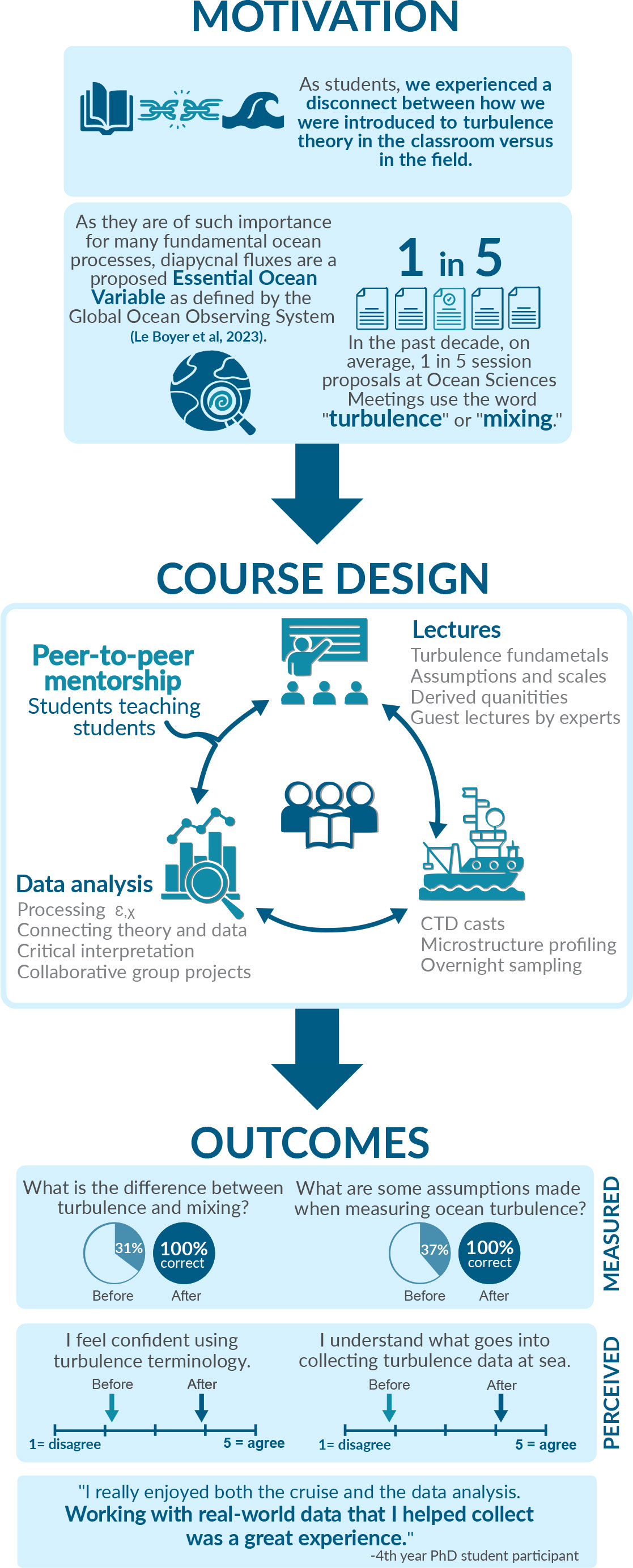
FIGURE 1. COMCEPTS motivation, course structure, and outcomes based on feedback from a participant survey before and after the course. > High res figure
|
Course Design
Instructors and Course Participants
The main instructors were six senior graduate students at SIO, all of whom had hands-on experience with turbulence instrumentation and research interests in the field. As everyone involved with the course was a graduate student, we will use the terms “instructors” and “participants” to avoid confusion.
The course was advertised widely to graduate students at SIO through an interest form that was followed by an application form a month later. There was no formal effort to advertise to out-of-town participants, as there was no funding to assist with travel expenses. Applicants were asked to describe their motivations for taking the course and provide additional details on their oceanography, fieldwork, and coding experience. The application helped the instructors (1) decide who would benefit most from the course, (2) ensure all participants met the prerequisites in physical oceanography and data processing to understand course material, and (3) design course content best tailored to the interests of the applicants.
The final cohort consisted of 15 participants, including five graduate students from other institutions in the US West Coast and Mexico who had heard about COMCEPTS through different channels, and four who had no prior at-sea experience. Travel funding uncertainty in early 2025 impacted many out-of-town participants, and the course leaders adapted by including a hybrid option for the lectures and offering flexibility in fieldwork participation. In the end, all participants were able to attend the fieldwork component of the course, but many chose to watch the lectures remotely. The hybrid format also afforded an easy way for lectures to be recorded, and most have been made accessible on the COMCEPTS website.
Curriculum Development
Kolb (2015) outlines four stages of experiential learning that can be applied cyclically: concrete experience, reflective observation, abstract conceptualization, and active experimentation. COMCEPTS participants engaged in this learning cycle over multiple phases of the three-week course. The course was divided into three one-week sections: week one featured lectures covering turbulence theory and how it applies to ocean science; week two was devoted to time in the field on cruises; and week three consisted of scientific analysis of the data collected during the cruises along with a few lectures on specific analysis techniques. In the language of experiential learning (Kolb, 2015), week one focused on abstract conceptualization, weeks two and three centered on concrete experience and active experimentation, and the preparation of a final report gave the participants a chance for reflective observation.
Over the 12 months preceding the course, the instructors collaboratively developed the curriculum, cruise plans, and lecture materials. They rehearsed every lecture at least once in its entirety with other instructors as audience and received feedback, providing the opportunity to practice and improve their teaching and presentation skills. To cover more advanced topics in the third week, invited guest speakers with more specialized expertise in the field gave several lectures and lunchtime seminars. Lectures covered theoretical concepts as well as practical knowledge needed to understand ocean turbulence observations and instrumentation.
The fieldwork and data analysis components of COMCEPTS were structured around three sub-projects based on the research backgrounds of the instructors, and participants were assigned to projects based on their interests. Over the last week of the course, the participants were taught turbulence data processing methods following the best practices developed by the ATOMIX group (Fer et al., 2024; Lueck et al., 2024). They used these skills to analyze data from the cruise and answer specific scientific questions related to their chosen projects. Finally, the participants organized their main findings in the COMCEPTS 2025 Cruise Report following the format generally used for research cruise reports.
Practical Training
The field component of COMCEPTS involved a series of cruises from September 8 to September 14, 2025, aboard R/V Robert Gordon Sproul. The week of fieldwork was split into a one-day cruise with all participants, followed by three overnight cruises with five participants each. Originally, the plan was to use a larger vessel that could accommodate all the participants and instructors for a week-long cruise. However, as that vessel was not available, the plan had to be restructured at the last minute around a smaller boat that could accommodate five participants and four instructors overnight. Overnight cruises were ideal for our science aims as they allowed continuous sampling over at least 24 hours to resolve full tidal cycles.
For each overnight cruise, the participants on the ship were assigned to different shifts so that they rotated through the activities required for sampling with two towed profiling instruments (Figure 2). The first instrument is the epsilometer system (epsi; Le Boyer et al., 2021), which includes a Sea-Bird CTD (for temperature, salinity, and depth measurements) and a turbulence-measuring vehicle designed by the Multiscale Ocean Dynamics (MOD) group at SIO. While this specific profiling microstructure instrument is not available outside of the MOD lab, it has similarities to many off-the-shelf microstructure platforms that the participants may encounter throughout their careers. A second biochemical profiling system was composed of an RBR CTD, an RBR coda optical dissolved oxygen (ODO) sensor, and an RBR Tridente sensor with three optical channels for chlorophyll a, optical backscatter, and colored dissolved organic matter (CDOM) measurements. Funding for ship time was provided by the University of California Ship Funds program, and the costs associated with non-ship instrumentation (e.g., engineering time, spares, and consumables) were generously covered by the MOD lab.
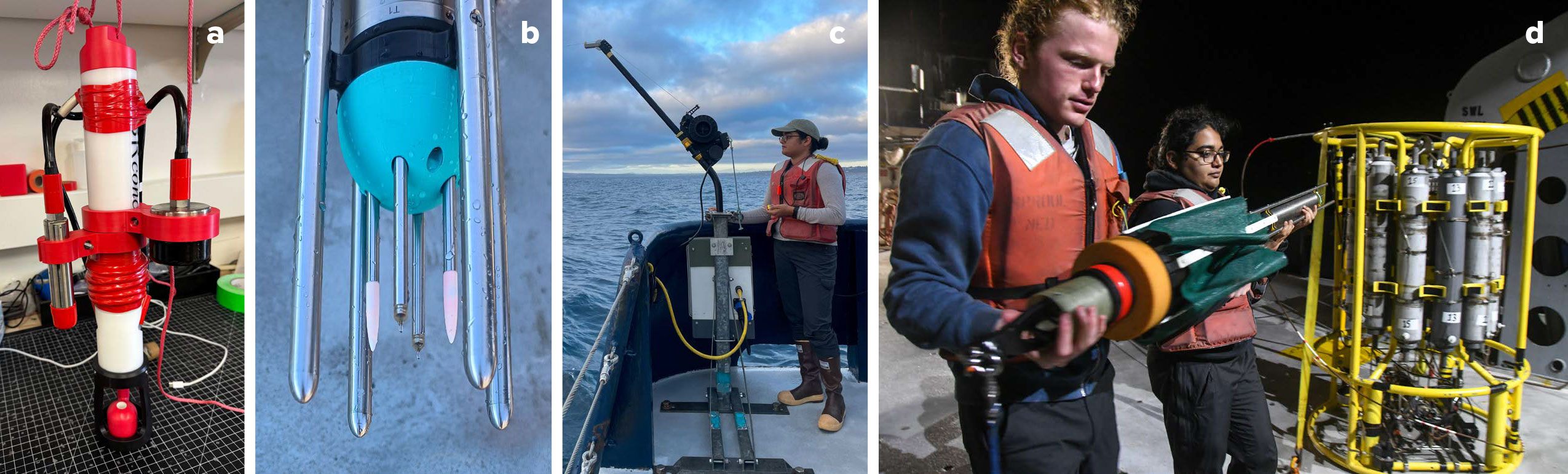
FIGURE 2. Instruments used for measuring turbulence during the at-sea component of the COMCEPTS course. (a) CTD with biogeochemical sensors (see the Supplementary Science Report for a more detailed overview of the instrument’s sensors). (b) Epsilometer. (c) Fishing reel. (d) Epsilometer deployment. > High res figure
|
With this suite of measurements, the participants learned how to obtain: (1) direct estimates of turbulence from microstructure observations; (2) measurements used to estimate fluid instability—temperature and salinity data combined with shipboard velocities to compute Richardson number; and (3) measurements of tracers that can be affected by turbulent mixing—CDOM, which tracked the wastewater plume from the Point Loma Wastewater Plume Outfall.
During each of the overnight legs, at least one instructor stayed on land to lead the remaining participants in supporting the at-sea sampling plan in real time. The shore-based participants produced satellite sea surface temperature and sea surface height maps of the region and made other plots using auxiliary data from nearby moorings, all with the goal of contextualizing the observations made by the group at sea.
Evaluation
To track improvements in the their grasp of ocean turbulence theory and measurements, participants completed the same survey at the start and the end of the course. See the COMCEPTS Participant Survey and results in the online supplementary materials. The anonymous survey was a combination of knowledge checks and questions about participants’ perceived understanding and confidence in working with turbulence data. The survey at the start of the course received 16 responses (full participation from all participants as well as auditors), while the survey at the end of the course received 10 responses (67% of the class).
Outcomes
Student Participant Science
The fieldwork component of the course invited participants to apply the concepts from the first week of lectures to an investigation of turbulent processes across the San Diego continental shelf. Sampling was concentrated near the Point Loma Ocean Outfall (PLOO) mooring (Figure 3a), which continuously monitors discharge from the Point Loma Wastewater Treatment Plant. The science questions were organized into three projects: (1) the evolution of mixing by tidally generated internal waves across the continental shelf (Internal Tide Module), (2) the role of atmospheric forcing in establishing mixing in the upper ocean (Air-Sea Module), and (3) the influence of these processes on the dispersal of a wastewater outfall plume (Plume Dynamics Module). All three of these projects focused on distinct questions at the forefront of the larger ocean mixing community and could be investigated using complementary datasets collected in the same area off Point Loma.
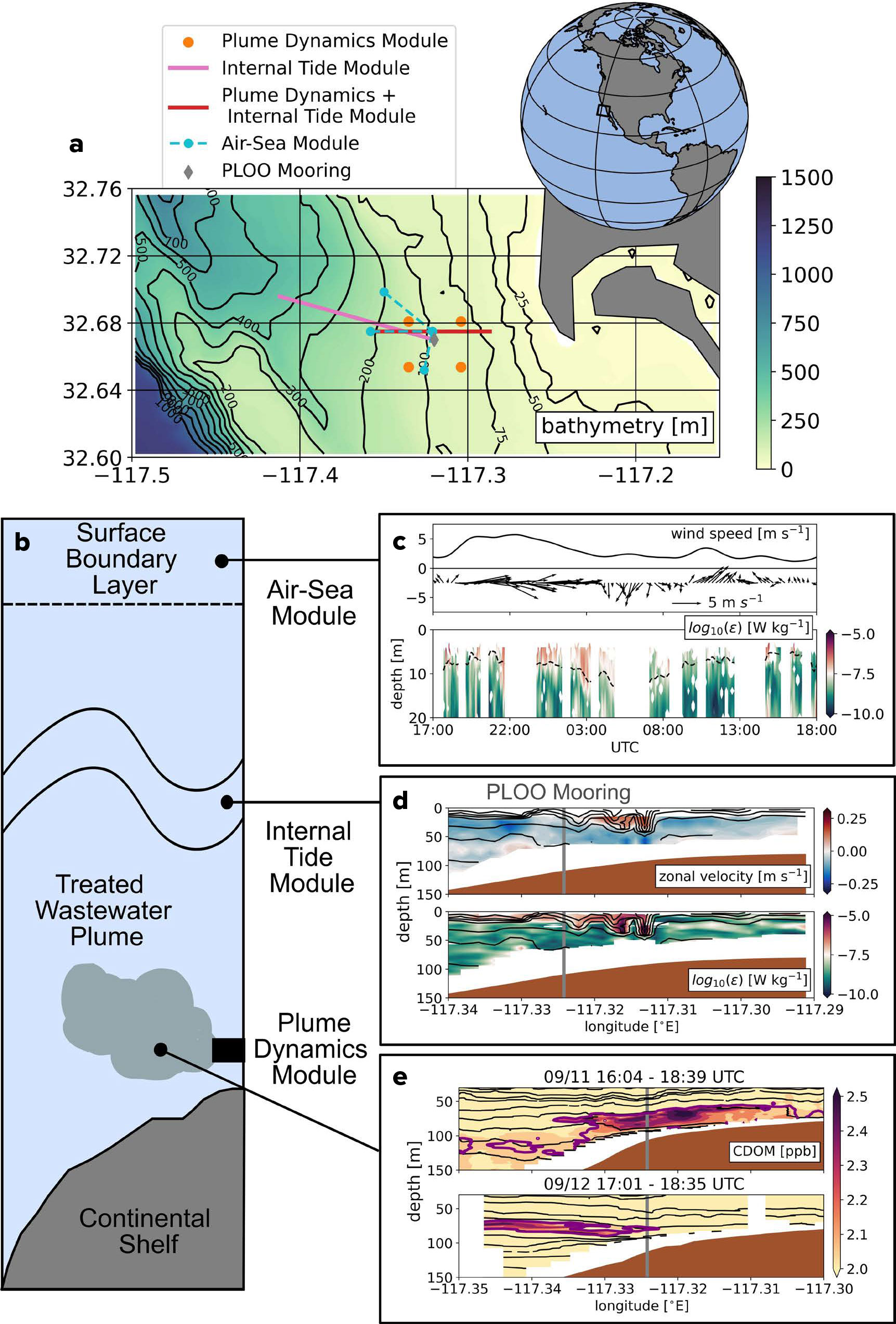
FIGURE 3. Dynamics investigated in each field project. (a) Map shows approximate location of research cruises (inset) and transects for each project module, with bathymetry (m) shaded. (b) Schematic highlights the main processes studied. (c) Wind speed (m s–1) and turbulent kinetic energy dissipation rates (W kg–1) are plotted for the surface boundary layer (black, dotted line) over the course of a day. The boundary layer deepens as onshore winds strengthen. (d) Zonal ocean velocity (m s–1) and turbulent kinetic energy dissipation rates (W kg–1) are shown over a zonal transect across the continental shelf. The steepening isopycnals (contours) indicate the formation of an internal bore. (e) CDOM (colored dissolved organic matter in ppb) recorded over the course of a day shows spreading of the treated wastewater plume (purple contour). PLOO = Point Loma Ocean Outfall mooring. > High res figure
|
The three science projects were set up with the goal of drawing on individual instructors’ specific experiences and on letting students work on something relevant to their own research interests. While all participants collected data relevant to all three projects, their small group data analysis work was focused on one of the three particular topics. This allowed for more personalized instruction and group work.
Some of the preliminary observations and results of participant data analysis showed co-located turbulence with steeping internal tidal bores (Internal Tide Module), deepening mixed layers concurrent with strong diurnal onshore breezes (Air-Sea Module), and a wastewater plume mixing offshore along and across isopycnals (Plume Module). For a deeper dive into the specific question asked and science results that came out of each module, we invite the reader to refer to the online Supplementary Science Report.
Improvements in Scientific Understanding
At the start of the course, there was large variation in participants’ levels of comfort with using turbulence terminology and exposure to turbulence theory. A large proportion of the class had little to no experience collecting turbulence data (37.5%), and the majority had little understanding of the assumptions made in processing measurements (56.3%). Their confidence in understanding was improved after the course with average scores increasing approximately twofold from 2.5 to 4.1 in understanding of terminology and from 1.6 to 3.5 in understanding turbulence theory (both were rated out of 5, with 1 being “low confidence” and 5 “high confidence”).
Responses to the open-ended science questions also showed a more detailed understanding of the field (Figure 1). One case study concerns the participants’ ability to differentiate the concepts of turbulence and mixing, whose terminologies are often used interchangeably by people not familiar with the field. At the beginning, 62.5% of participants were not confident in their ability to distinguish the two concepts. At the end of the course, all respondents were able to correctly distinguish mixing as an irreversible change in ocean properties and turbulence as a characteristic of a fluid flow. Responses that indicated this comprehension included, for example, “Mixing is irreversible changes to scalar gradients, ENHANCED by turbulence,” and “Turbulence is the chaotic motion of a fluid. Mixing is the exchange of quantities between two fluids.”
Benefits of At-Sea Experience
The second and third weeks of the course were designed to be heavily student centered, fostering an environment of active learning (Collins and O’Brien, 2011) with participants directly engaging in fieldwork and obtaining knowledge by contributing to data collection and analysis (Figure 4). The main outcomes were that participants (1) learned what instruments are used to measure turbulence in the real ocean; (2) practiced operating and deploying instruments in the field; (3) used remote sensing, mooring data, and shipboard data to support the research cruise sampling plan; and (4) learned how to use and analyze the collected data to answer a science question related to turbulence.
In the feedback survey, when asked how much the fieldwork helped them understand how different ocean quantities are measured through shipboard profiling (on a scale of 1–5, with 5 being “it helped a lot”), 80% of respondents answered 5/5, with the other 20% rating it a 4/5. In addition, when asked about what they enjoyed most about the course overall, 60% of respondents highlighted the cruise. When asked about how to improve the course, several participants mentioned they would have liked more time at sea. These results point to the effectiveness of practical experience when it comes to turbulence education.
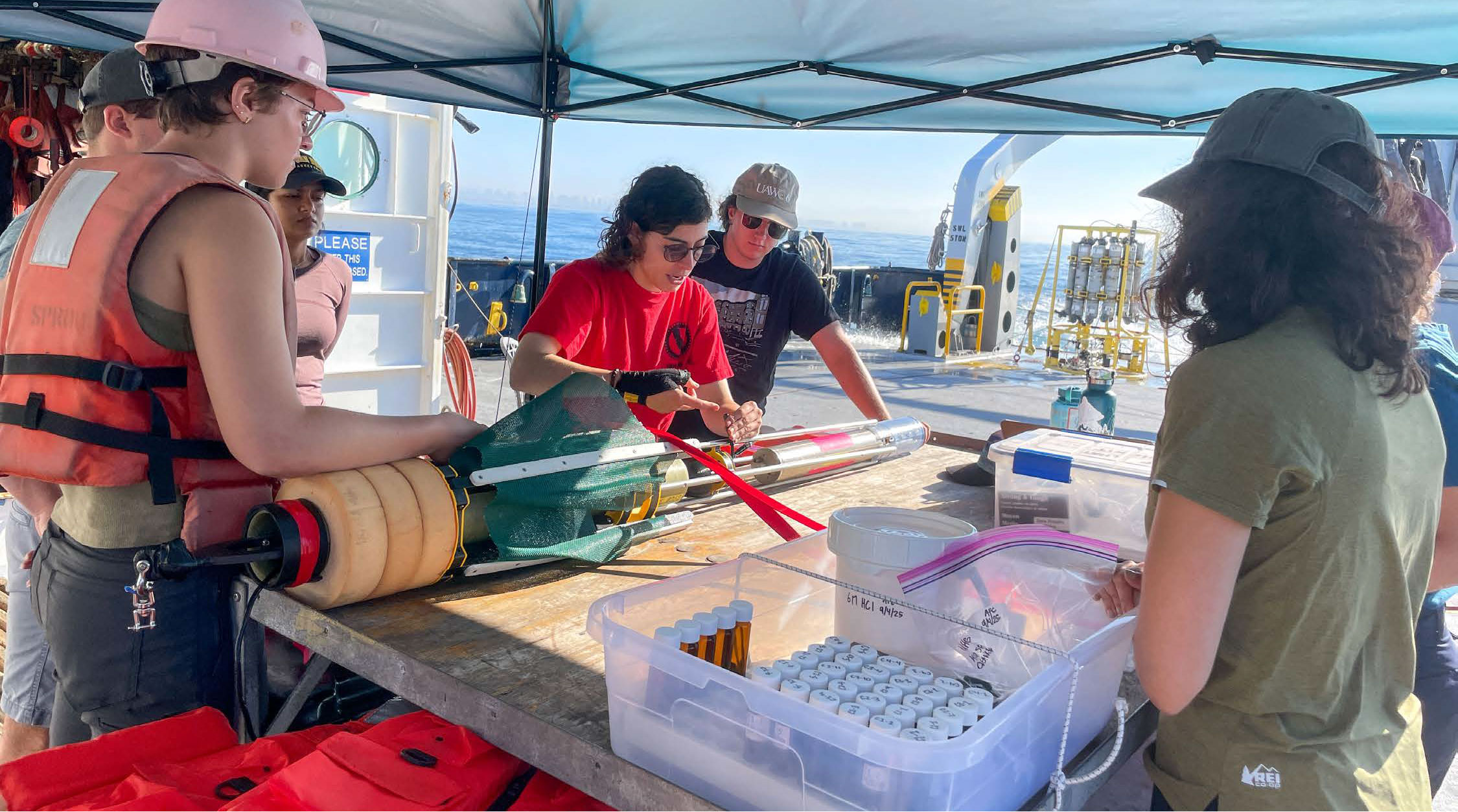
FIGURE 4. A graduate student instructor demonstrates epsilometer setup for course participants while at sea. > High res figure
|
Discussion
Importance of Experiential Learning in Scientific Understanding
As turbulence and mixing measurements become more widely available, oceanography students across disciplines will need to understand the assumptions and limitations underlying their interpretations. COMCEPTS was designed to provide this foundation by connecting turbulence theory with the collection and analysis of in situ data. After the course, participants reported greater confidence in using turbulence terminology, interpreting derived quantities, and working with turbulence data, and they attributed these changes to understanding how the measurements connected to underlying theory.
Experiential learning through fieldwork can promote student engagement and the development of professional competencies (Munge et al., 2018). Such experiences may also strengthen students’ confidence in their abilities to apply disciplinary knowledge in practice, which can be particularly important for students from groups historically underrepresented in the field (Núñez et al., 2020). By combining turbulence theory with fieldwork and data analysis in a supportive peer environment, COMCEPTS helped participants feel more capable of engaging with this highly specialized area of oceanography in their future research. Additionally, for 30% of participants, COMCEPTS provided their first at-sea research experience. This opportunity to do work on a ship for the first time had a positive impact on their confidence in using turbulence-specific instrumentation as well as participating in ship-based data collection in general.
Experiential learning approaches are increasingly used in STEM education to connect formal instruction with practical applications (Remington et al., 2023). The sequence of theory, fieldwork, and data analysis was central to COMCEPTS, but rather than using fieldwork merely to demonstrate concepts introduced during the first week of lectures, we also used the collected data as an opportunity for reflection and deeper understanding. By having the students do all the work of collecting, processing, and interpreting their own measurements, and by guiding them through the process of connecting their final figures back to the theoretical assumptions and sampling decisions underlying the resulting turbulence estimates, we exposed them to the full scientific process from conceptual framing and measurement design to quantitative inference and critical interpretation. This iterative process is important in all scientific endeavors, but perhaps particularly so in a field like ocean turbulence where data of scientific interest are derived rather than directly measured.
Benefits of Peer Mentoring
Peer teaching by senior graduate students gave COMCEPTS participants an opportunity to learn challenging material from instructors who had recently mastered it themselves. By removing the typical differences in power and authority between instructors and students, peer learning has been shown in other education settings to create a supportive environment where students are comfortable learning through experimentation and without judgment (Boud et al., 1999; Topping, 2005). Participants also came into the workshop with training in specialized topics not always reflected in the backgrounds of the instructors. This diversity of participant backgrounds enhanced the classroom discussions and provided an opportunity for both instructors and participants to learn from one another. In addition to the instruction by graduate students, lectures and lunchtime seminars by experts in the field explored big questions and current challenges in ocean turbulence research. The feedback from several participants highlighted the benefits of these different learning formats and of the opportunity to network with both peers and experts.
Furthermore, while each field project conducted on the research cruise was initially designed by the instructors based on their own scientific interests and knowledge of the region, the participants played a large role in shaping the projects based on their interests. Given the nature of fieldwork, the research goals for each project were constantly adapted based on what could be realistically achieved at sea and in the timeline of the course. The participants were involved in these discussions and led the analysis and interpretation of the collected measurements.
For the instructors, COMCEPTS was its own form of experiential learning. The workshop offered the opportunity to develop course material from scratch, work collaboratively to iterate on and improve the pedagogy, and teach both in the classroom and in the field. Designing a course and field expedition are not responsibilities typically given to graduate students, and they benefited greatly from the experience, also thanks to the mentorship of experienced scientists and engineers in the MOD lab.
COMCEPTS also created a more formal structure for all graduate students involved, both instructors and participants, to share their knowledge, build a community of peers with similar scientific interests, and foster future collaborations. By making all course material publicly accessible and developing a database of code that the participants can access indefinitely, the course was designed to remove some of the fundamental barriers the instructors had themselves identified in observational oceanography. Hopefully, such open access also facilitates the creation of other courses like COMCEPTS in the future.
A Note from PIs Who Supported this Initiative
The rare opportunities for graduate students to be leaders in teaching, project design, mentoring, and fieldwork are most valuable. One of the responsibilities of a PI in academia’s apprenticeship system is to provide students with experiences that will eventually help them to lead their own projects. As the student authors of this paper developed the COMCEPTS curriculum and cruise plan, we offered guidance based on our collective years of fieldwork and teaching experience. We were delighted to be able to support these students in getting those opportunities now as an important steppingstone toward their futures as scientists.
From our perspective, a project like this also comes with some challenges. The valuable and forward-looking University of California Ship Funds program provided the ship time (a significant equivalent monetary value) for the onboard teaching and data collection described here. However, that program does not provide any specific instrumentation or the technical support needed to carry out such specialized measurements as were undertaken here. Our Multiscale Ocean Dynamics Laboratory was able to leverage funding and engineering time from some other projects to support the student effort. Moving forward, it will be essential to secure external support (from federal educational grant programs, industry, or philanthropy) in order to continue creating educational experiences like this in our field and hopefully many others.
– Jennifer A. MacKinnon, Matthew H. Alford, Nicole Couto, and Arnaud LeBoyer
|
Takeaways
COMCEPTS demonstrates that graduate students can design and lead a course that connects specialized scientific theory with the practical skills required to apply it. The central objective of the course was to organize everything around a complete scientific workflow: introduce relevant theory; gain hands-on experience collecting, analyzing, and interpreting data; and communicate the results. Although these stages form the basis of scientific research, students are often exposed to them separately—for example, learning theoretical concepts in class or analyzing a preexisting dataset without seeing how sampling decisions and measurement limitations shape the final result. The “start-to-finish” approach taken here can be adapted to other areas of oceanography and to other fields in which students need to understand how measurements, analysis choices, and theoretical assumptions shape scientific conclusions.
Peer-to-peer mentorship was equally central to the course design. Senior graduate students are ideally positioned to share recently lived experience, while participants contributed knowledge from their own disciplinary backgrounds. This structure created opportunities for reciprocal learning and reduced the distance between instructors and participants. Future courses could adopt a similar model by involving graduate students or other near-peer instructors in curriculum development, small-group instruction, and practical training, while retaining access to more senior scientists, engineers, or technicians for specialized expertise and logistical support.
Another takeaway is that course design should also prioritize access. The hybrid format of COMCEPTS allowed participants to attend lectures remotely as funding for travel, housing, and time away from home institutions remained substantial barriers to participation. Future iterations should seek stable funding for out-of-town participant travel and living expenses, and should make lecture materials, analysis notebooks, example datasets, and field protocols openly available where possible. These resources can extend the impact of a short course and lower the barrier for other groups seeking to adapt this approach.
Finally, logistical choices should follow learning goals rather than define them. COMCEPTS used a combination of a one-day cruise and smaller overnight cruises because of vessel availability, but other formats may be more appropriate, depending on local resources, participant needs, and the scientific topic of focus. However, we acknowledge that absent the ship time covered by the University of California Ship Funds program, this course would have needed a substantial source of outside funding.
We note that there are several examples of oceanography summer courses for graduate students, such as the Friday Harbor Laboratories Workshops at the University of Washington and the Geophysical Fluid Dynamics Program at Woods Hole Oceanographic Institution. Many of these programs are either expensive or highly competitive to attend. To our knowledge, COMCEPTS is the only example of a free oceanography summer school designed and taught by graduate students and providing the full benefit of a peer-mentorship experience for its participants. To make an effort like this sustainable at any institution, a stable source of funding would be required. We also acknowledge that the formalities around setting up an official course, such as the need for an instructor on record which, at most institutions, typically cannot be a graduate student, listing course credits, and so on, can be a logistical hurdle. We circumvented these issues by organizing this course independently but would welcome a community discussion on how to lower logistical barriers for students across institutions who want to gain teaching experience.
In summary, many of the logistical and other decisions made for COMCEPTS, such as course format, instrumentation used, number of science modules, and days at sea, were determined based on our particular circumstances. The details could be adapted to fit the needs of any other program, institution, or scientific field, but the core of what made COMCEPTS successful was the emphasis on peer mentoring (being designed and led by graduate students) and experiential learning (access to some form of fieldwork and data analysis experience).
As both participants’ and organizing committee members’ opinions of the COMCEPTS experience were positive, it is our hope is that this course will continue to be taught by graduate students at SIO approximately every two years, and that it will benefit the oceanographic community in the long term.
Acknowledgments
The organizing group wishes to thank the University of California Ship Funds program; the captain and crew aboard R/V Robert Gordon Sproul; Scripps Institution of Oceanography, University of California San Diego; and the San Diego Association for Women in Science for their support. We also wish to thank all our guest speakers and the engineers and technicians in the MOD lab for lending their expertise and time, as well as members of MOD senior leadership, Jennifer A. MacKinnon, Matther H. Alford, Nicole Couto, and Arnaud LeBoyer, for letting us borrow some pretty expensive instruments. We are also grateful to the two anonymous reviewers for their comments, which improved this manuscript. Finally, a big thank you to the student participants of the first iteration of COMCEPTS who brought so much enthusiasm and curiosity to the course.

 PDF
PDF